Beer labels 2026 October

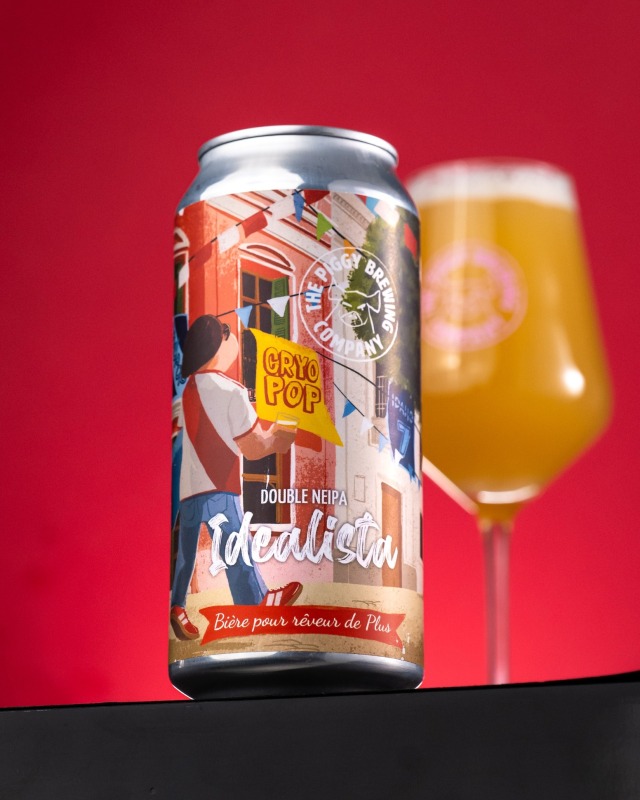
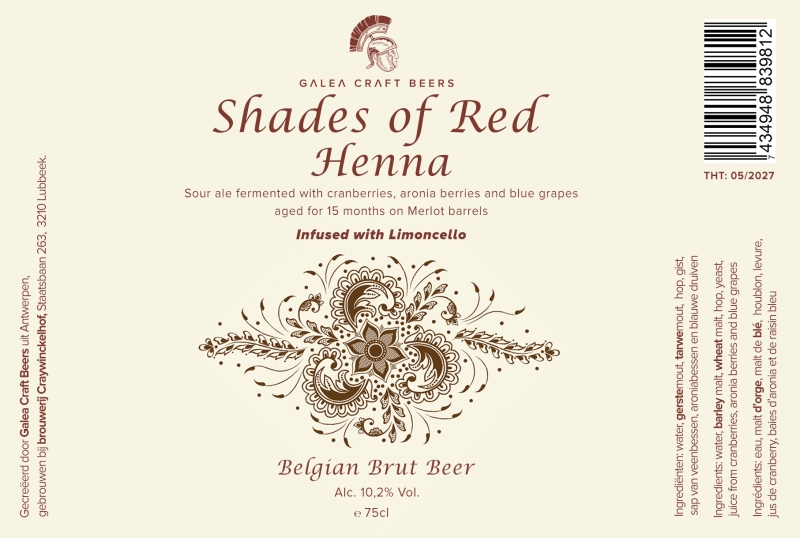
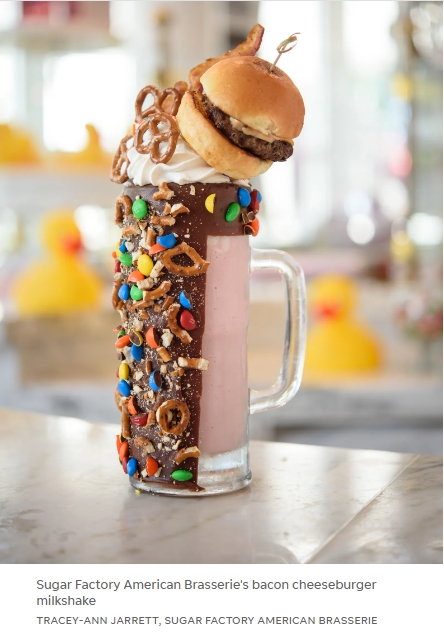
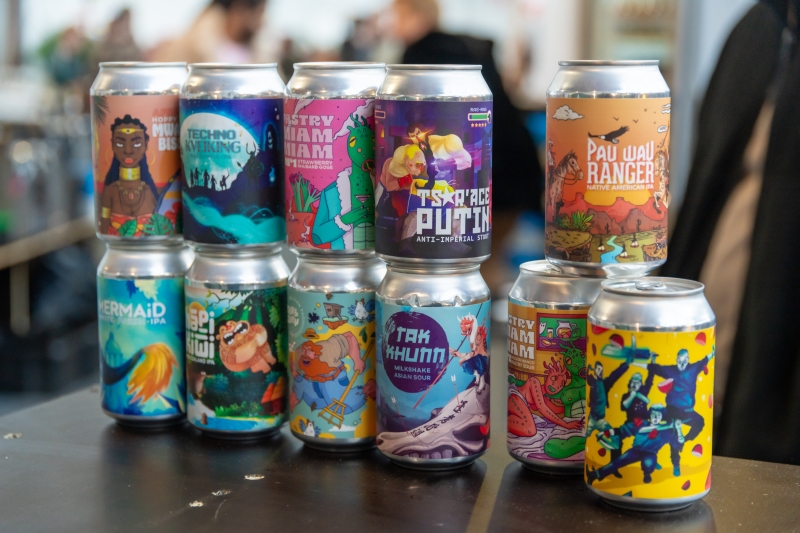
We salute label designers and other creative and idiotic endeavours with this selection of beer graphics.


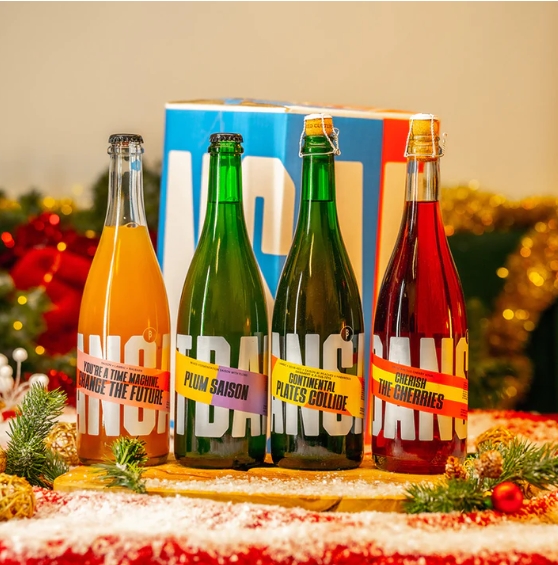


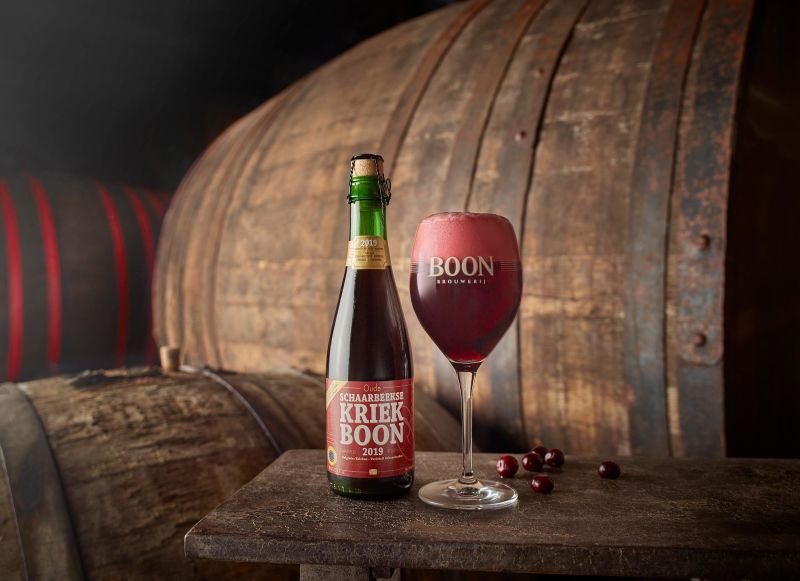


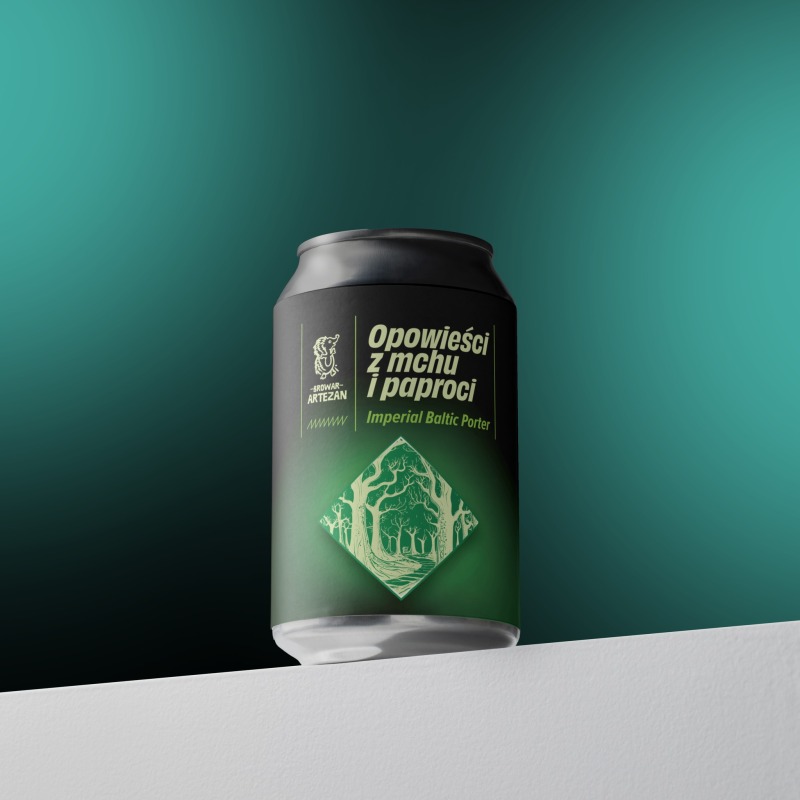
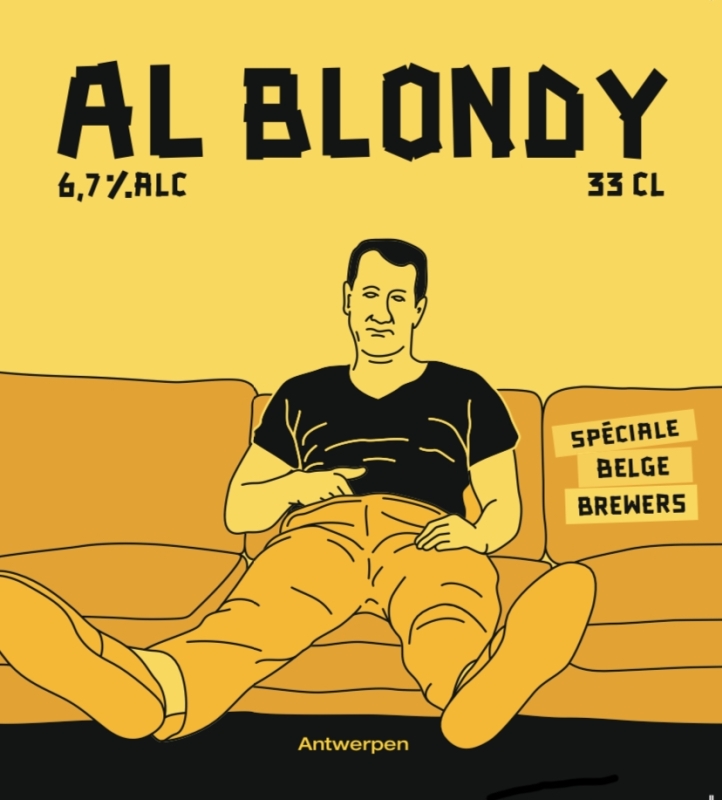


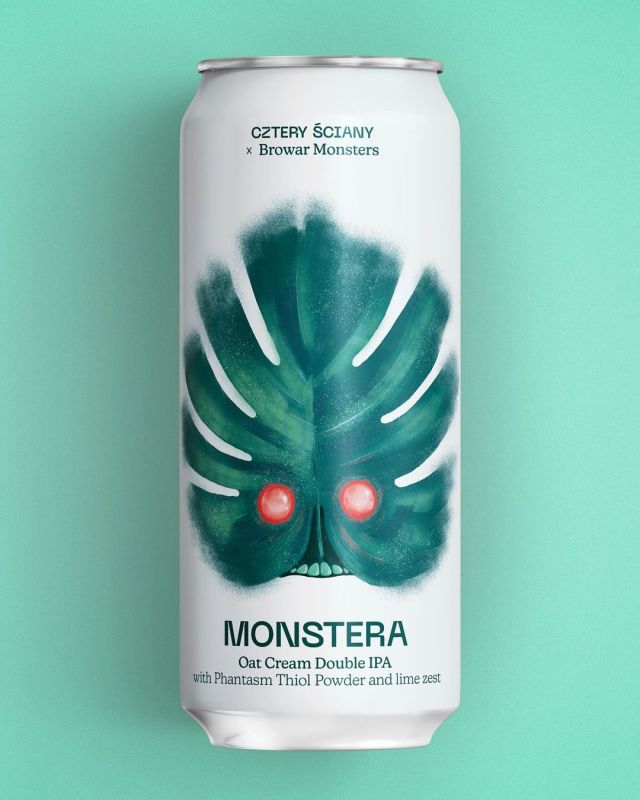


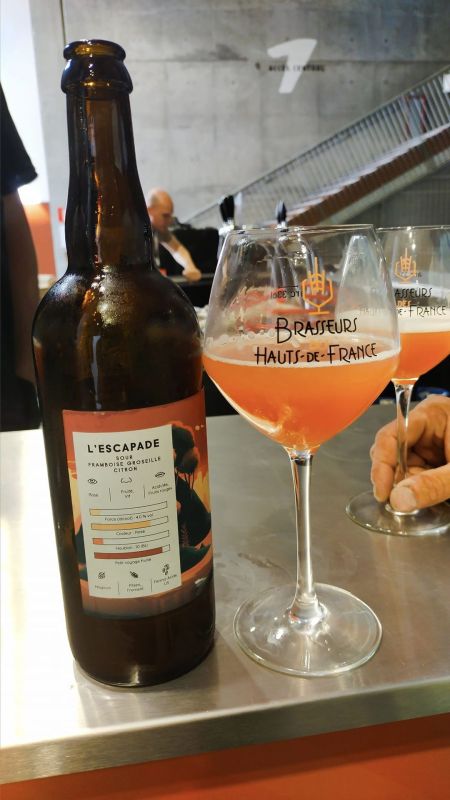


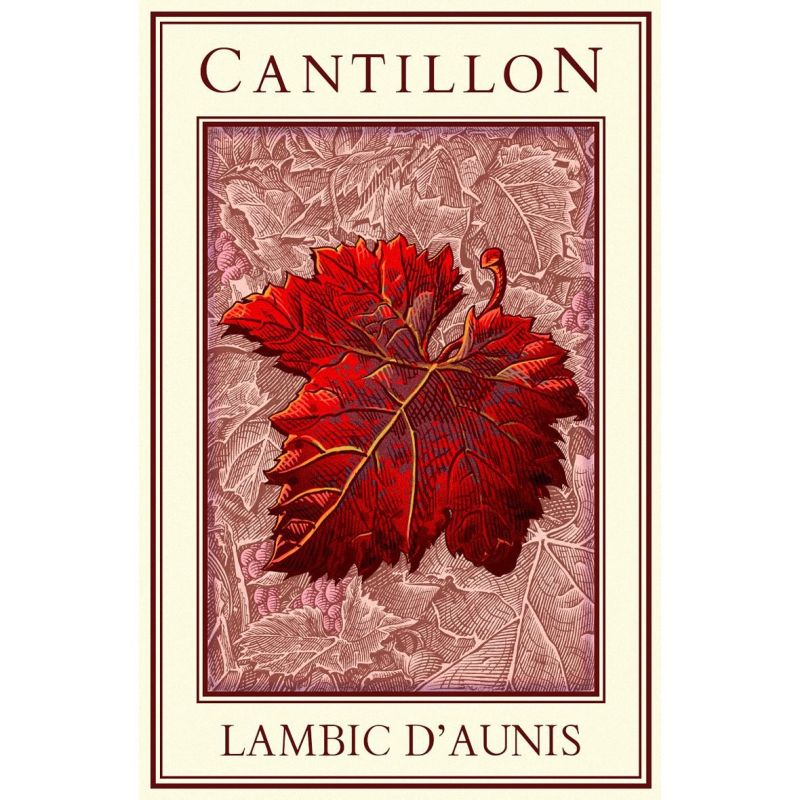









We salute label designers and other creative and idiotic endeavours with this selection of beer graphics.
It’s been four years since Luke Pestl sat down with Beer Idiots in Belgium to tell us how he and Mike Clark turned a former art gallery on Ossington Avenue into Bellwoods Brewery. This time, we came to him — to Hafis Rd., the production facility, taproom and bottleshop that’s quietly become the backbone of the whole operation.
From backup plan to backbone
When Bellwoods opened Hafis Rd. in 2016, it wasn’t meant to be the main event. Back then, the Ossington retail store was the brewery’s biggest revenue driver, and it had simply outgrown the brewpub’s tiny footprint. “We expanded into this space to supply Ossington, because retail was our main driver and we couldn’t keep up with sales out of there,” Luke told us. “We had a small footprint, so we couldn’t ramp up production any further, and we didn’t want to contract brew.”
Growth here was slow at first — just enough extra capacity to start wholesaling, with a salesperson hired to build out an account base that was entirely new to Bellwoods. By the end of 2018, they’d started working with the LCBO. The timing, it turned out, was either terrible or perfect, depending on how you look at it.
The COVID pivot
Bellwoods had built its early identity partly on something unusual in Ontario: the ability to sell beer to go, straight out of the Ossington brewpub. Then COVID hit, and that advantage disappeared almost overnight.
“We once had a bit of a monopoly in being able to sell beer to go to the public,” Luke said. “That changed overnight during COVID, as a move by the provincial government to help restaurants and bars survive — they allowed to-go purchases everywhere. It completely shifted demand, and our retail store essentially tanked.”
What had been a brewery built around its own retail counter had to become, very quickly, a wholesale brewery — kegs, package product, bars, restaurants, and licensees, with the LCBO now doing the heavy lifting retail used to do. Luke credits staying small and staying two owners with making that pivot possible: “We had the fan base that supported us, and we were able to pivot as we needed to.” Not every part of the business got the same breaks — their restaurant survived COVID, but because it operated under the brewery’s manufacturing designation, it couldn’t access the wage subsidies that helped other restaurants through the worst of it.
The numbers today
Bellwoods started with one hire outside the founders — John, now head of production back at Ossington — and a restaurant crew of about 30. Today, the company employs over 100 people.
Production has scaled in step. Ossington alone once pushed out roughly 2,500 hectolitres a year at its peak, squeezed out of a space never built for it — tanks have since been pulled back out for the sake of sustainability. Combined with Hafis Rd., Bellwoods now produces a little over 15,000 hectolitres annually. The market is still overwhelmingly Ontario, with wholesale now outpacing retail by a wide margin, but Bellwoods beer travels: Nova Scotia, British Columbia and Alberta are strong markets nationally, and a small slice — under 5% — heads further afield internationally. US exports have been harder to come by since the collapse of Shelton Brothers, their former American importer.
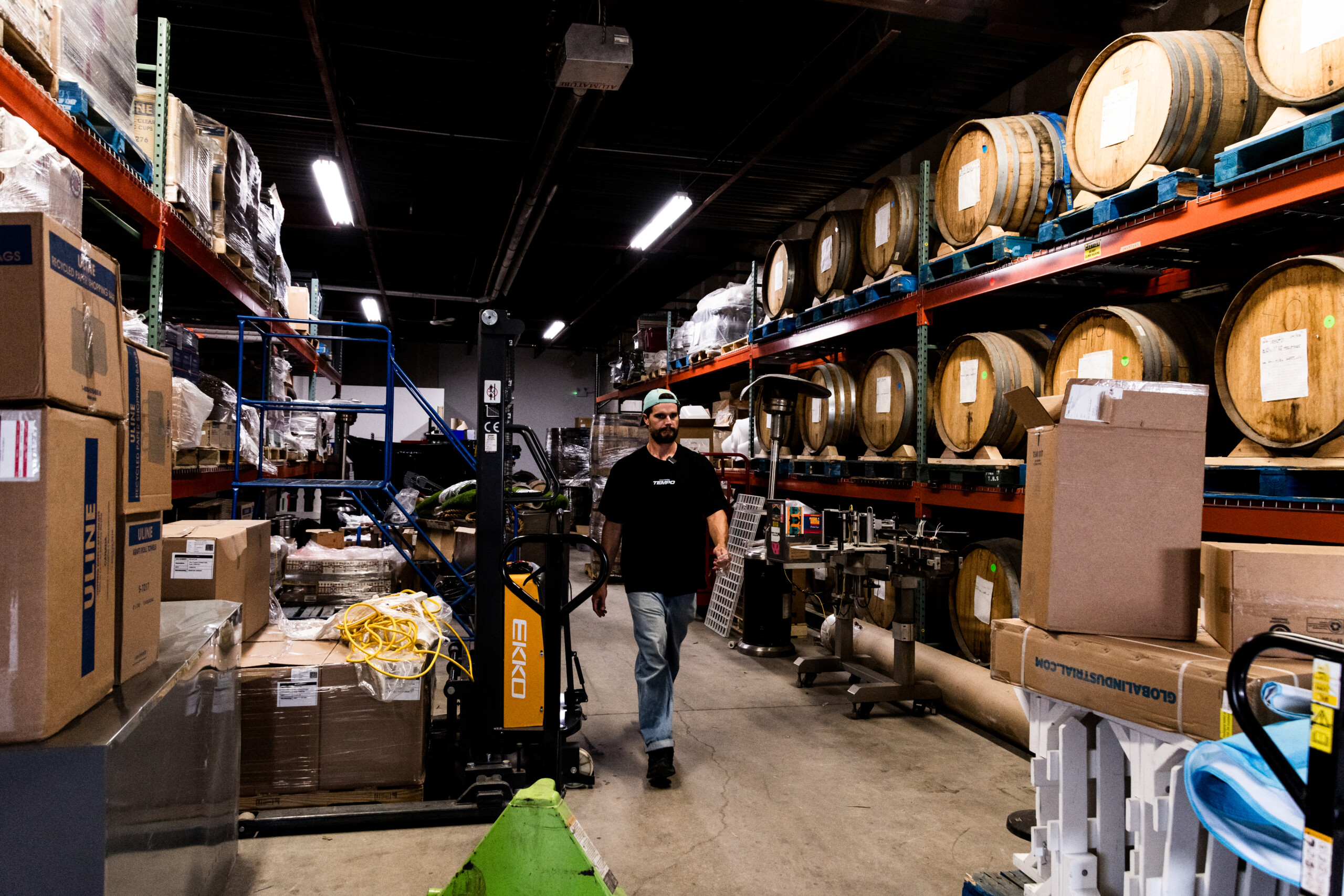
Cans, seltzers, and a quieter bottle filler
This year brought a major packaging upgrade, centred on a new canning line capable of running up to 140 cans a minute, alongside improvements to the bottling side (the original 2016 bottle filler is, remarkably, still in service). The beer programme remains the core of what Bellwoods does, but it’s no longer the whole story — the brewery has expanded into seltzers and non-alcoholic beer, a reflection, Luke says, of changing tastes and a more diverse market.
Ossington, transformed
The neighbourhood around the original brewpub has changed as much as the company has. “The area has transformed like crazy,” Luke said, pointing to how hyper-trendy Ossington Avenue has become — while crediting local developers for keeping it mostly independent businesses rather than handing it over to chains. Bellwoods itself has expanded into neighbouring space there too, adding seating and room for events so people aren’t queuing out the door of a very small restaurant.
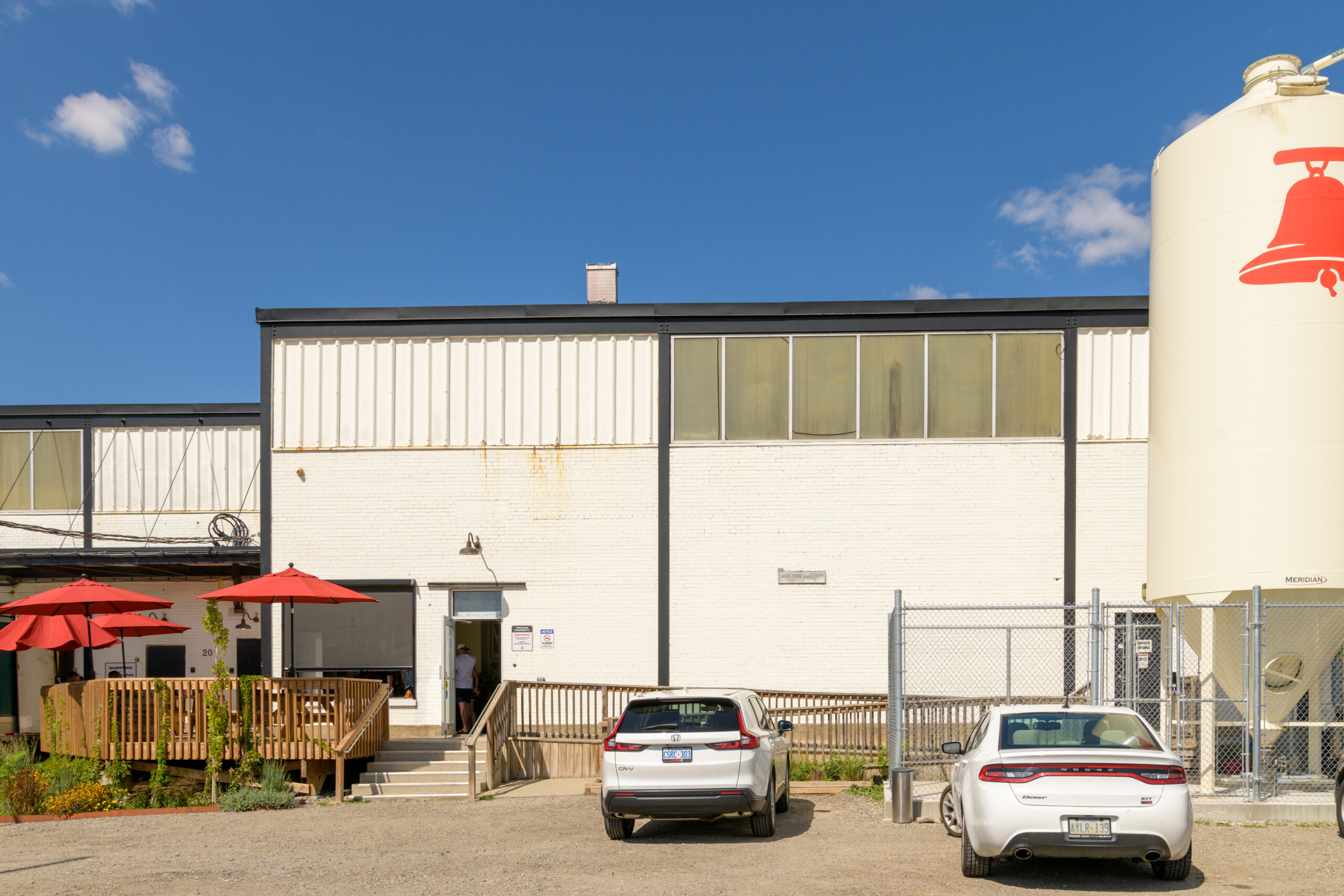
Handing off the brewhouse
Luke isn’t on the brewery floor the way he used to be. As Bellwoods has grown, much of the creative direction for new beers has shifted to the wider brewing team — something he sees as a deliberate, and good, change. “I kind of miss the creative satisfaction of that,” he admitted. “So in my personal life, I’ve taken up a lot of art, because I need that in my life.” These days his role is closer to director than brewer: weekly check-ins with the team, more oversight, less time with his hands actually on the equipment. “We have a great team, and developing ideas with them now is great.”
Inside the brewhouse
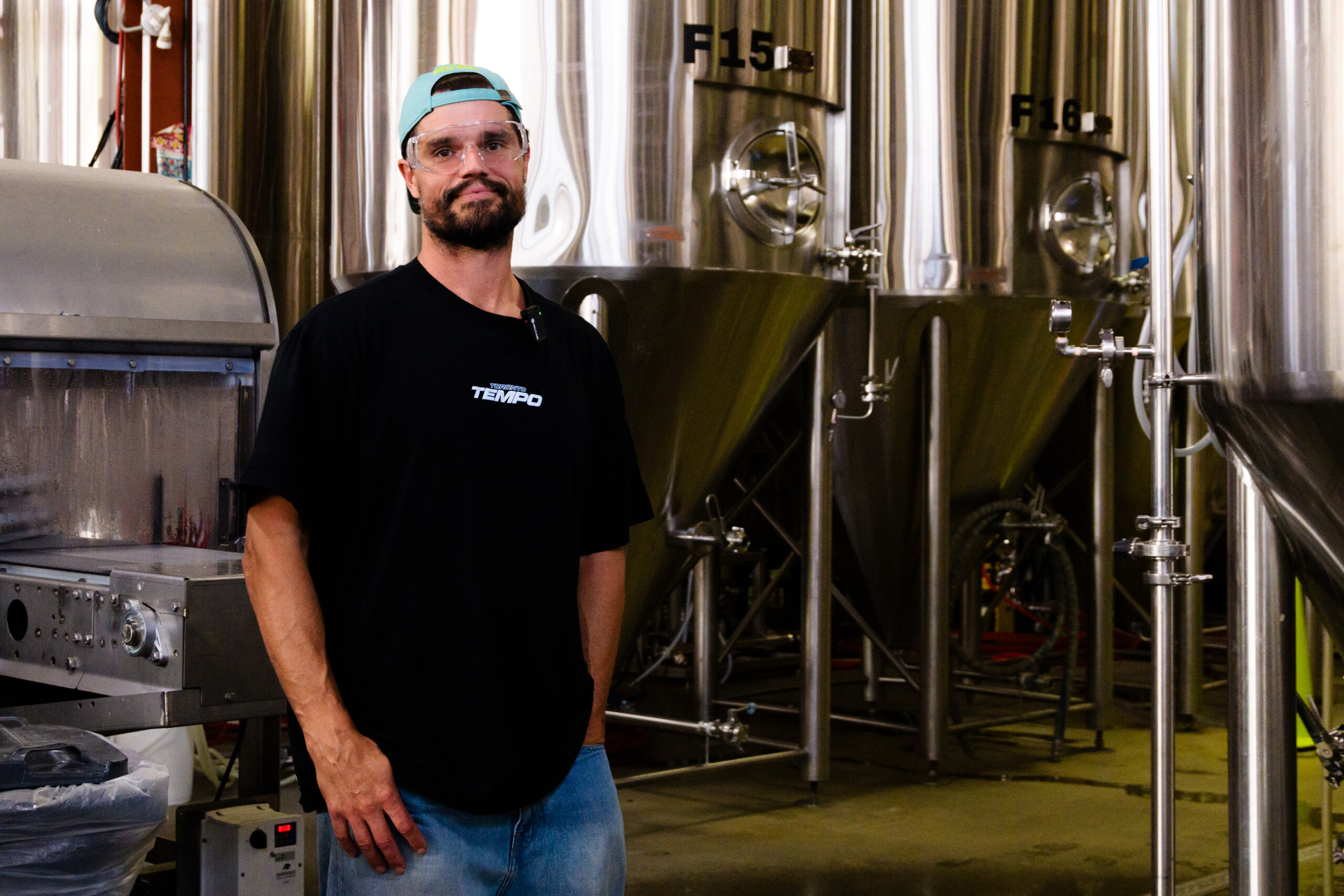
Luke walked us through the facility: a brewhouse , the original row of tanks along the back wall, two brite tanks, a small army of fermenters, a centrifuge, and a flash pasteurizer. Upstairs, where Bellwoods once hosted its Witchstock beer festival with tents and barrels filling the space, there’s no longer room to spare — growth has claimed the square footage.
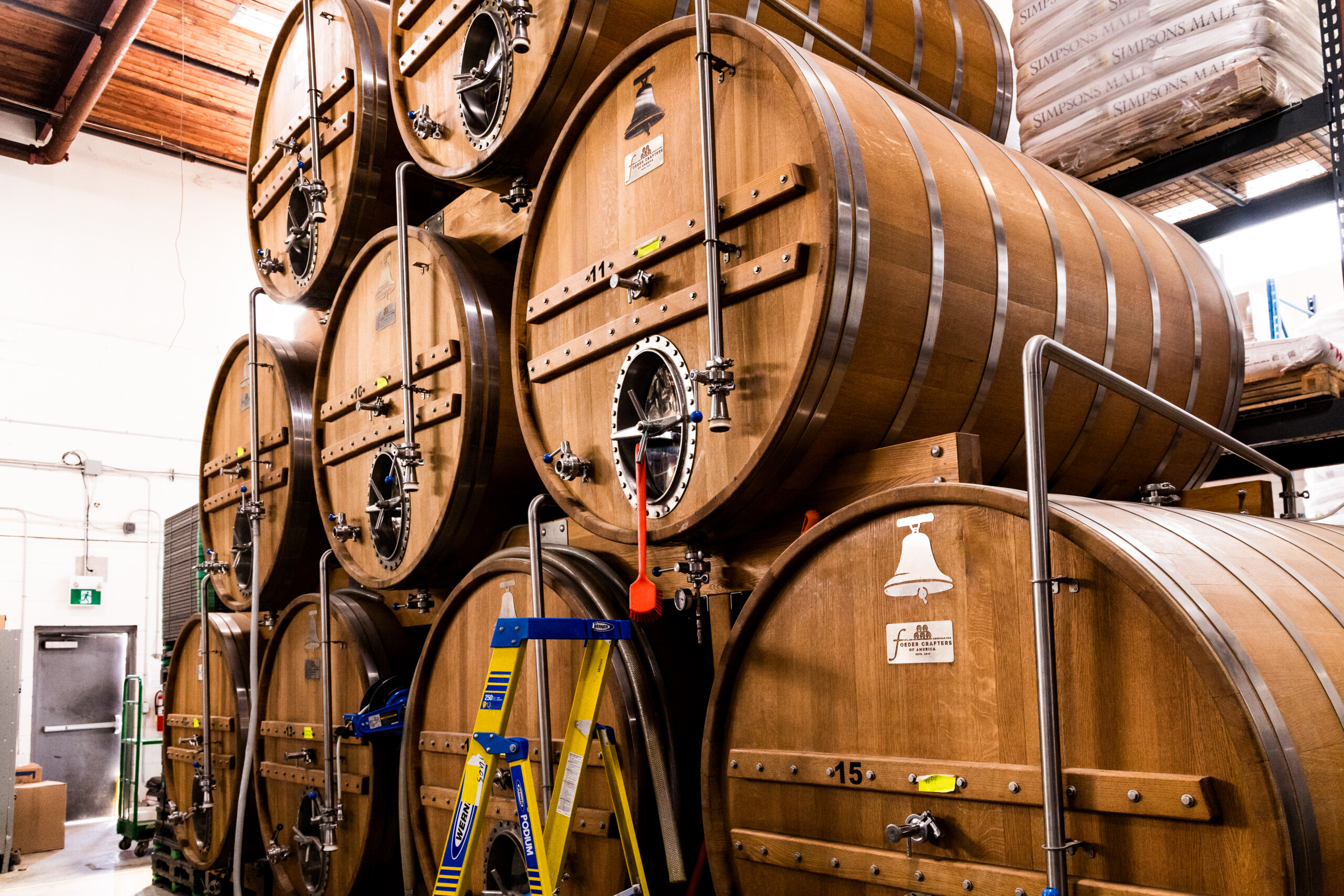
The barrel and foeder programme — Bellwoods’ sour and barrel-aged beer, the thing that first put them on our radar back in 2022 — is still running, including fully spontaneous beer brewed via their own coolship since 2017. It’s a smaller slice of the business proportionally than it once was, but Luke is clear that it hasn’t been forgotten: “We’re still super proud of it.” Clean barrels are stored off-site to keep things manageable.
On ingredients, grain comes from across Canada rather than strictly Ontario, while hops are still mostly sourced from the US, supplemented with New Zealand and some Australian hops — Canadian hops haven’t made much of a dent in the recipe. Yeast is largely propagated in-house, with Escarpment Labs as a trusted local backup.
Watch the full interview
Pestl took us through all of it — the COVID years, the numbers, the brewhouse floor he’s stepped back from, and the barrel programme he hasn’t let go of — in our full sit-down at Hafis Rd. Watch the full 11-minute interview above.
Missed where this story started? Catch our 2022 conversation with Luke in Belgium: “Bellwoods: Toronto’s king of sour.”
Tipsy Tribe Brewery & Distillery releases “Brussels Whisky,” an American-style spirit built on Belgian grain and Brussels history
Brussels has never had its own whisky. Until now.
Tipsy Tribe Brewery & Distillery, the small brewery-and-distillery hybrid tucked into Koekelberg, has released “Brussels Whisky” — the first whisky ever produced within the Brussels-Capital Region. The launch, held on 26 September 2026 at Tipsy Tribe’s own premises, marked the debut of what the founders hope will be an ongoing series of Brussels-made whiskies.
It’s a small release by design: an American-style whisky made with Belgian malts, corn and rye, aged in virgin American oak, from a batch of roughly 65 bottles. The barrel was laid down back on 9 March 2023, meaning this whisky has been quietly ageing in Koekelberg for the better part of three and a half years before finally reaching a glass.
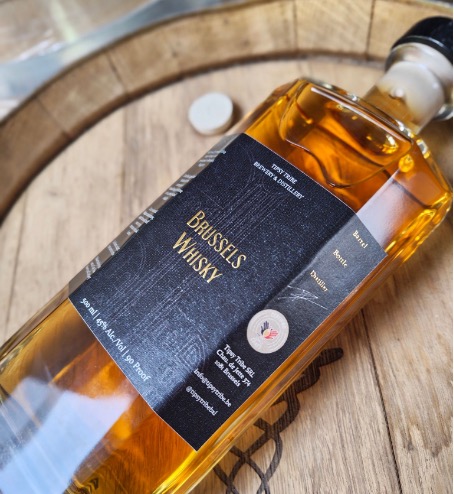
American style, Belgian roots
“Brewing is the first step to making a good whisky,” said Daniel Fastenau, brewer-distiller and co-founder of Tipsy Tribe. “Here at Tipsy Tribe we are uniquely positioned to have both brewing and distilling facilities under a single roof, so releasing our own whisky was a natural next step for us. I’m also a big fan of whisky, so being able to make our own was also a big passion project for me.”
The result leans on classic bourbon profiles while staying distinctly local. “We’ve always believed Brussels deserved its own whisky, and after tasting it we are very proud with the outcome,” said Aylin Fastenau, co-founder and head of marketing & communications. “The fact that this whisky is Belgian, but with a foreign inspiration, is a perfect embodiment of the multicultural nature of Brussels and our team at Tipsy Tribe.”
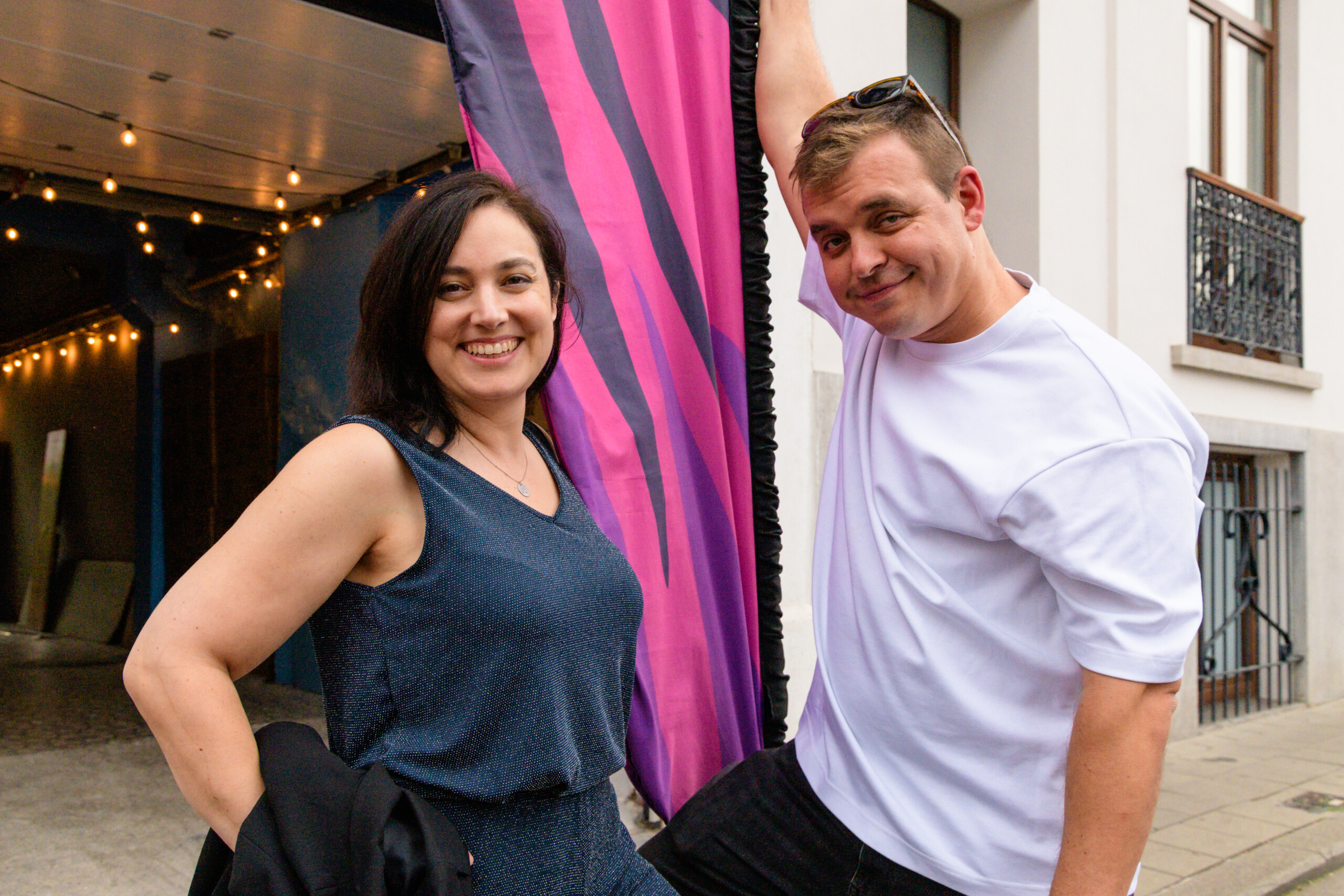
Koekelberg’s distilling legacy
The choice of Koekelberg isn’t incidental. The municipality has a genuine claim to distilling history: it’s where Jean-Baptiste Cellier-Blumenthal first experimented with the design that became the modern column still, back in the 19th century.
“Belgium is known for its amazing beers, but what is less known is its rich history with spirits,” Aylin Fastenau noted. “Belgium has a long tradition of making genever, amongst others. In fact, Koekelberg was the birthplace of modern distillation. So having the first whisky made in Brussels in the distillery in Koekelberg is an ode to a rich heritage.”
Koekelberg’s mayor, Olivia P’tito, welcomed the release as an extension of the municipality’s artisanal reputation: “Koekelberg is proud of its rich artisanal heritage. We have long been known for our genuine craftsmanship and expertise in chocolate. With Brussels Whisky, another exceptional artisanal product is now adding to the richness of Koekelberg. I would like to congratulate Tipsy Tribe on this wonderful innovation and invite everyone to come and discover this unique brewery-distillery in our municipality.”
A first bottle for a good cause
The very first bottle from the batch was auctioned off at the launch event, with all proceeds going toward school materials for a local Koekelberg school.
Small-batch, solar-powered
The whisky was made entirely in-house, from grinding the grain through to bottling, on Tipsy Tribe’s small-scale distillation setup — though the operation isn’t standing still: 2025 brought a tenfold increase in distilling capacity with the arrival of a new still, suggesting future batches won’t stay quite this small.
Sustainability runs through the whole operation. Tipsy Tribe’s spirits production is fully solar-powered, and the company holds a 3-star ecodynamic label, a recognition for eco-responsible businesses in the Brussels-Capital Region. It’s also part of the Brussels Good Food network and the Brussels Beer Waste Coop, and it sends spent grain to local farmers, offers discounts to customers who reuse Tipsy Tribe boxes, and repurposes distillation by-products as cleaning agents.
About Tipsy Tribe
Tipsy Tribe is Brussels’ first brewstillery, producing beer, gin, vodka, raki, liqueurs and now whisky entirely in-house in Koekelberg. Founded by Daniel and Aylin Fastenau — first-generation immigrants from the US and Turkey respectively — the company went commercial in 2022 after years of homebrewing, and maintains 50/50 gender equality in ownership.
See our 2023 interview with Aylin and Daniel.
Brussels Whisky is available in extremely limited quantity and has almost sold out. More on Tipsy Tribe at www.tipsytribe.be.
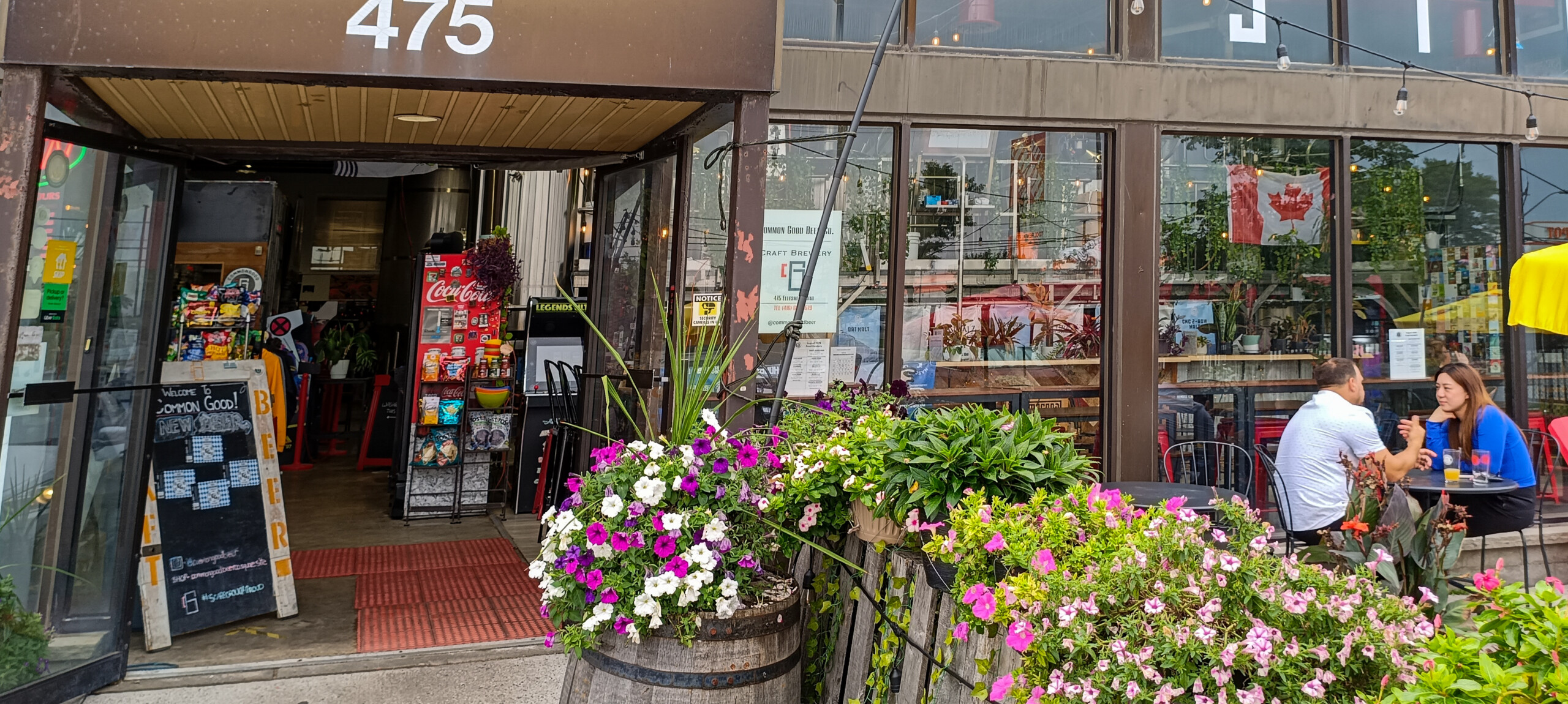
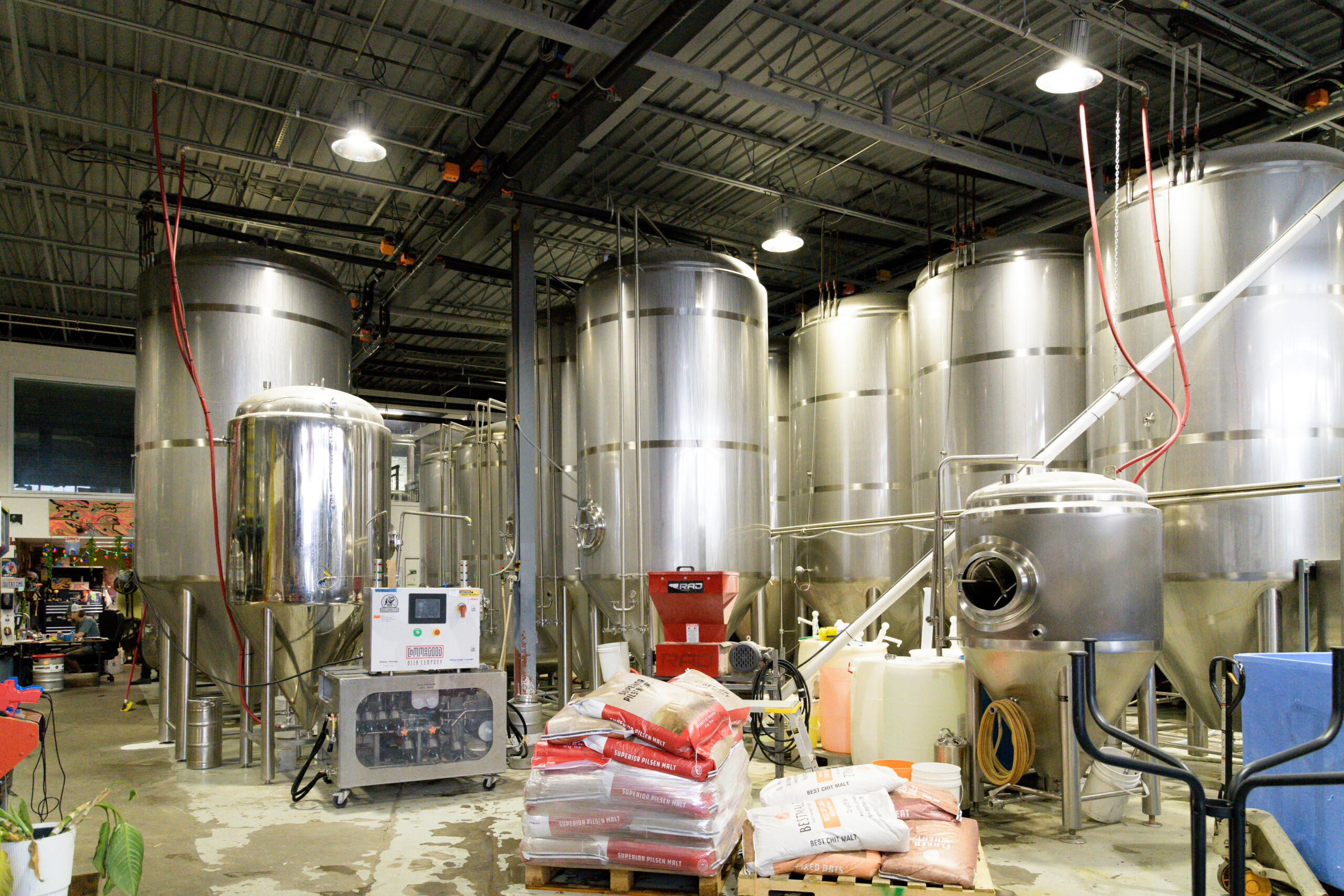
In a industrial corner of Scarborough, Ontario, Common Good Beer Company brews more than 5,000 hectolitres a year and employs about 17 people. It is the only craft brewery in the neighbourhood, and it has been open since 2016. Beer Idiots spoke with president Ajeet Grover about how it got here and why the road ahead is tough.
A host brewery for startups
Common Good Beer began with two founders. Scott White was a passionate homebrewer, and Jamie Mistry was a professional brewmaster who had come from Amsterdam Brewery in Toronto. Their idea was to build a dedicated host brewery for small startups. Craft beer was booming, and new brewpubs and brands could not keep up with demand. In the early days, about 90% of Common Good Beer’s output was contract beer for others.
Grover, a lawyer, first helped with paperwork and the lease. Their Scarborough site was the fourth location they pursued. About two and a half years after opening, he joined as a third partner to grow the brewery’s own brand. Today nearly 70% of production is Common Good’s own beer, though it still brews for other small producers.
Betting on lagers
While competitors chased IPAs and barrel-aged stouts, Common Good saw a gap for high-quality craft lagers. It brews them in a European style: lower gravity, natural ingredients and extended time in the lagering tank.
A shrinking pie
The brewery is growing, but Grover is candid about the pressure. Ontario went from an estimated 75 to 100 licensed breweries when Common Good opened to close to 400 a few years ago, and closures have followed. He estimates the province may have lost 15 to 25% of them.
He points to several causes:
Seasonality adds to the pain. Summer sales can run close to twice winter levels, so the brewery must build capacity for the peak and then fill it all year.
Running it like a business
Common Good’s response is operational discipline. It has signed fixed-price forward contracts for malt, and it uses forward agreements for hops. It also examines yield and packaging losses closely. Grover says breweries that want to stick around must become “really diligent operators”.
Advice for aspiring brewers
Asked what he would tell someone dreaming of a startup, Grover’s joked: “Don’t do it.” But he notes the opportunity in a lot of used brewing equipment on the market. His reasoning is that a craft brewery is a business like any other, and good beer does not sell itself. Sales and marketing matter. If you do start, he suggests thinking small and local, such as a community brewpub, rather than building a large plant for wide distribution. Expansion, he warns, can be deadly.
Even so, he says he is still having fun. Watch the full interview above.
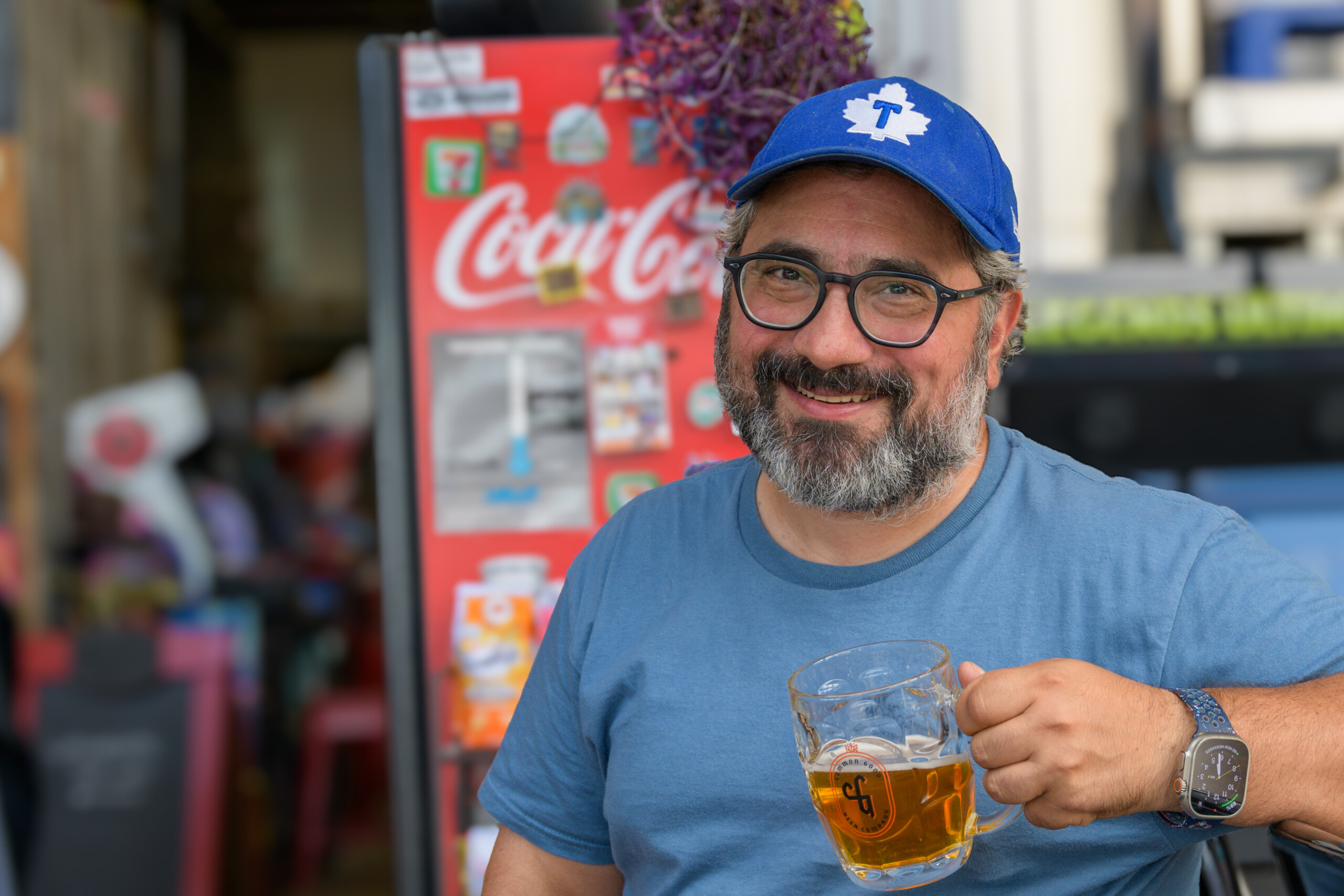
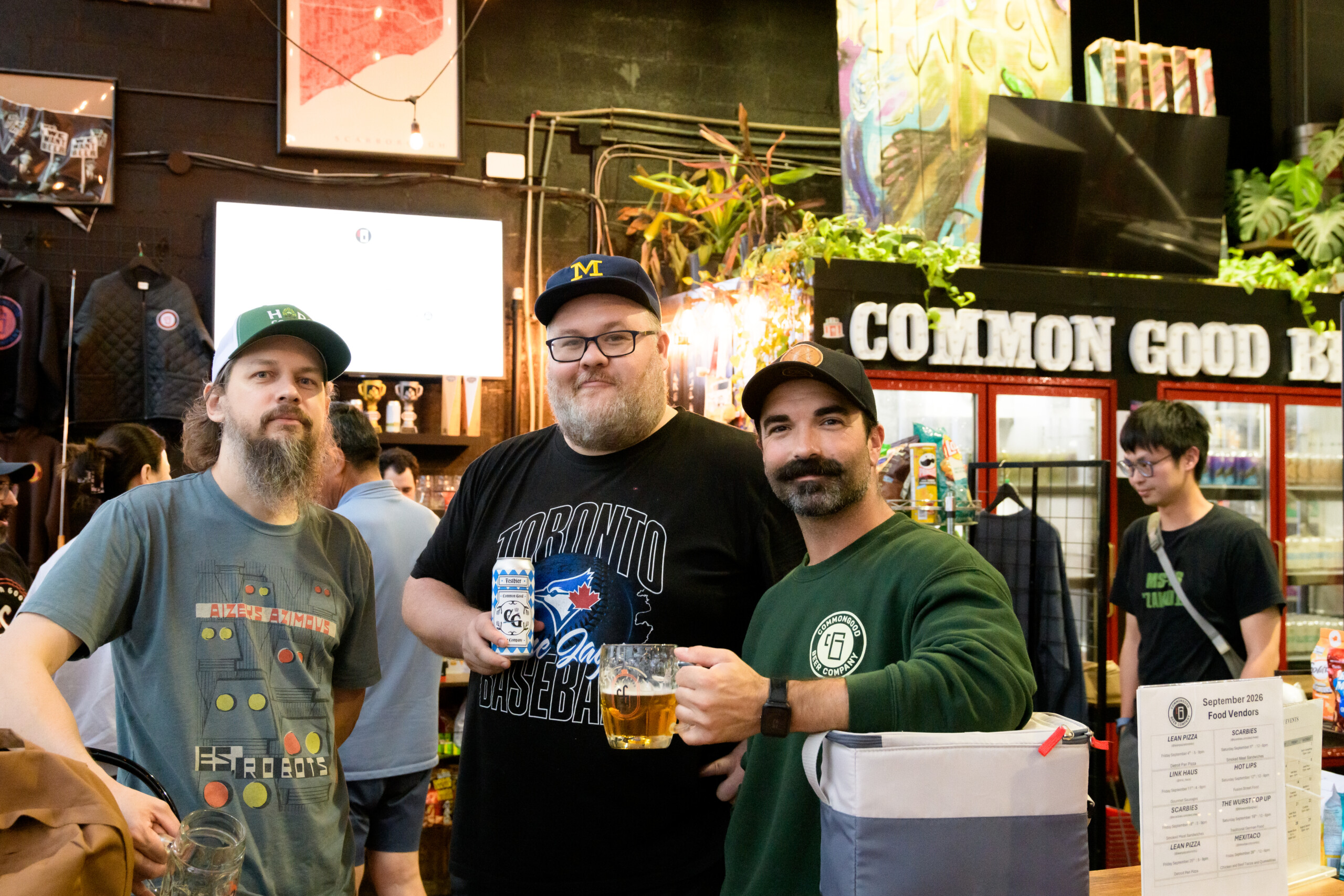
Common Good Beer Co., Toronto, Ontario, Canada
The Beer Idiots interviewed Dirk Lubbers Lubbers in July 2026 about his two-year term as general manager at Belgium Beer World, and his next venture: helping promote Hollow Rock Brewery and its development of an immersive historical experience inside Gibraltar’s Rock.
A year after the grand reopening of Brussels’ 1873 Bourse in September 2023, 1.3 million people had passed through the doors — but only around 150,000 found their way to experience Belgian Beer World, far below expectations. Dutchman Dirk Lubbers joined Belgian Beer World in September 2024 to up those numbers. His two-year term as general manager ended in July 2026.
The Beer Idiots interviewed Lubbers in July about his term at Belgium Beer World, and his next venture: helping promote Hollow Rock Brewery and its development of an immersive historical experience inside Gibraltar’s Rock.

The Dutchman arrived with pedigree. He spent six years running Amsterdam’s Heineken Experience, growing it from a modest museum into one of the Dutch capital’s biggest attractions, with more than a million visitors a year. Belgium, he insisted from the start, had even more to work with – from one beer to over a thousand.
In our video interview, Lubbers looks back on a term defined by patient, unglamorous work rather than grand gestures. He points to two things above all. The first is the Skybar on the roof of the renovated Bourse — arguably the finest view in the city — which he brought back under in-house management, turning a rented-out terrace into a genuine draw and a revenue engine. The second, and the one he seems proudest of, is the team he built to carry the project into its next stage.
Between those bookends sat a steady campaign to make the museum visible and connected. Bourse-styled banners and street billboards went up, ambassadors began working the pavements, and a network of partners spread outward to spread the news. A combi-ticket with the Atomium and Design Museum Brussels, tastings included, tied Belgian Beer World into the city’s tourist circuit; restaurants and hotels followed. The numbers moved — from roughly 150,000 visitors in 2024 toward a projected 160,000-170,000 in 2026.
A €1.5 million Belfius loan and public scrutiny over the building’s costs made headlines in 2025. But Lubbers never wavered from his line that a healthy cultural attraction takes at least two years to build. We’re on the right track, was his steady refrain, and he now hands over an organisation on firmer footing.
He handed over to Belgian Piet Jonckers, current general manager of the BourseBeurs – Belgian Beer World. Jonckers was previously director of Train World and, before that, Toerisme Vlaanderen, bringing expertise in visitor experience and heritage valorisation. It’s a fitting profile for a site that is as much monument as museum.
As for Lubbers, the next chapter is a beer lover’s daydream. He’s off to Gibraltar to help with Hollow Rock — a brewery carved into the limestone tunnels of the Rock itself, brewing craft beer deep inside the mountain, and promoting a similar ‘experience’. From the Bourse to the Rock: he’s clearly not done telling beer stories yet.


Our festival and special events calendar is packed with great beer happenings across Belgium and the neighbourhood. Top of the list: the Idiot’s own Belgium Beer Week’s 7th edition, 24-30 August 2026. Bars, brewers and event organisers here and worldwide host their own events in celebration of Belgian beer culture, recognised as an intangible cultural heritage of humankind.
A quick heads-up: dates, venues and line-ups can change, so always double-check with the organiser’s own site before you head out. It happens! Spotted a missing festival or an error on our part? We’re Idiots, after all — drop us a line at contact@idiots.beer and we’ll sort it out. Here’s to another incredible year of great beer and even better company. 🍻
Namur Capitale de la Bière hosts a showcase of about 50 beers of both the dark art and sour beers. Stouts and sours are the mix at La Nef (2 Rue Saint-Nicolas) in Namur, always a great place to visit.
We list this here as it is such an incredible festival and showcase of French and international beer. They even have a special section for Belgian brewers. Video: Nicolas Lescieux of l’Échappée Bière, one of the organisers of the Bière a Lille (BAL), talks about the growth of craft beer in France and takes us on a walk among some of the brewers. The festival hosts events from 4-10 November with the beer fest on the weekend at Gare Saint-Sauveur.
Tickets go fast at Stéfan Cauwenbergs’ world-famous Billie’s Craft Beer Fest at Waagnatie Expo & Events, in Antwerp, Belgium. It is one price and what you can taste. Certainly, it is not to be missed. Facebook.
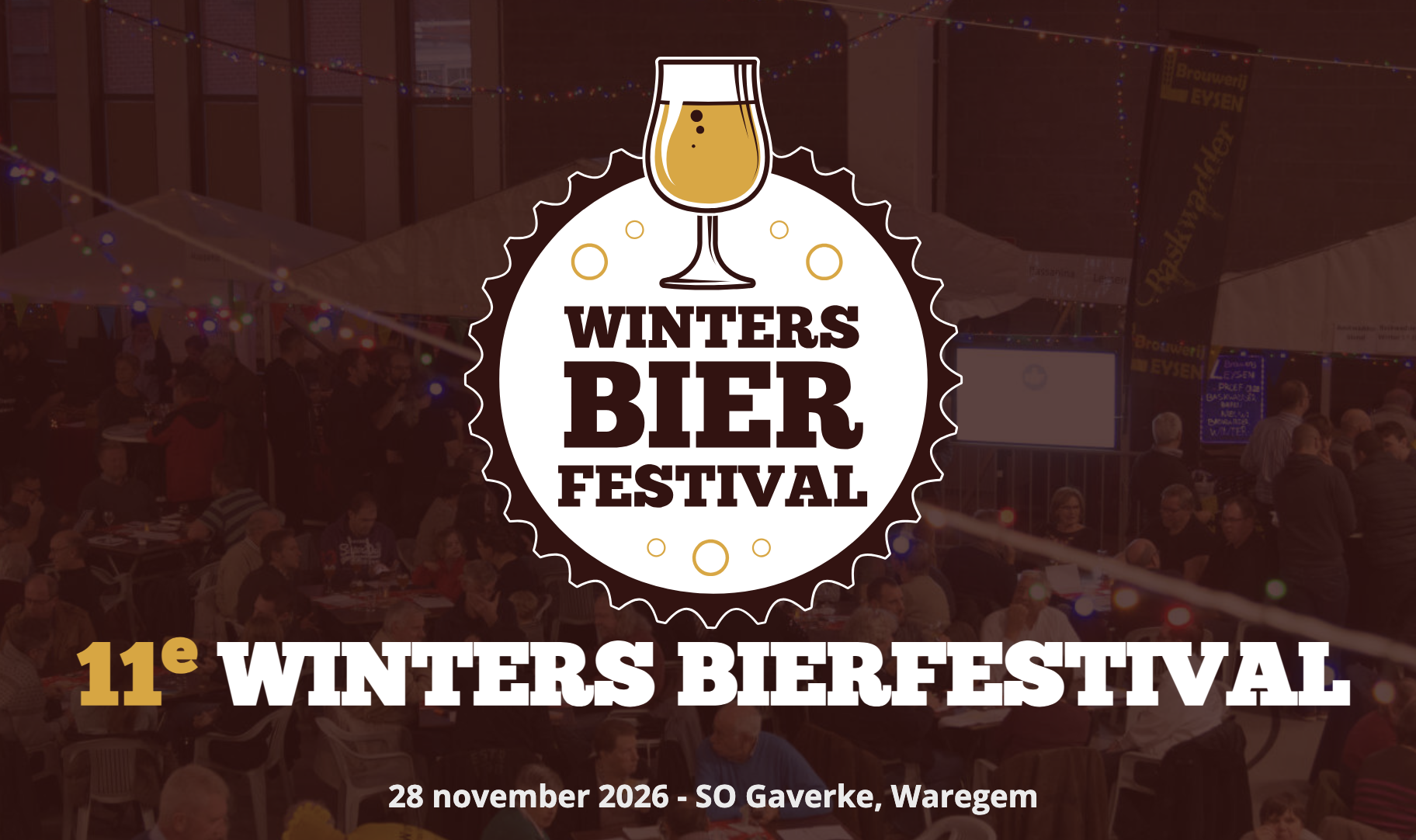
Winters Bierfestival is organised by Waregemse Bwiniervrienden, a group of friends that have been brewing together in Waregem, where the festival is held. It features 11 brewers this year.
Kerstbierfestival ends the year with some heavy beers and drinking in Essen. Tickets run out fast as the space is limited and it is one of the great beer events in Belgium. Some 200+ Christmas beers are featured. Tickets presales from September 1.
In 2022 we went to the inaugural edition of The Beer Experience at the old colliery buildings in Heusden-Zolder (Limburg) and again in 2023. The festival combines craft beer with music, talks, and food surrounded by the historical equipment of the former coal mine. It features some of Belgium’s best craft and artisanal breweries. Not to be confused with the Beer Experience expo held in February.

Sohier puts on the 30th edition of this festival featuring about 100 beers, making it one of the oldest beer festivals in Belgium. It is a bit out of the way in Wallonia so plan your trip accordingly. Facebook.
This expo featuring 50+ exhibitors is being held at De Koninck brewery from 11-19h. It is hosted by Becomev, which also runs the Brussels Beer Challenge.

This festival by Brasserie Illegaal is true to form – the brewery is devoted to funding/supporting the arts in what they call ‘brewing for culture’ and this year features a host of musicians. The music finishes at 5 am so bring your dancing boots.
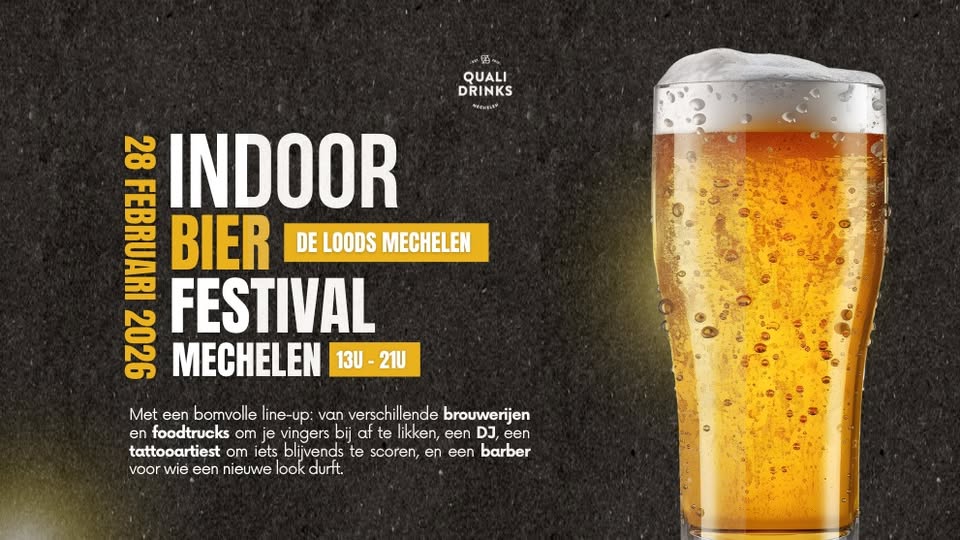 A winter fest run by the people behind the Bierfestival Mechelen.
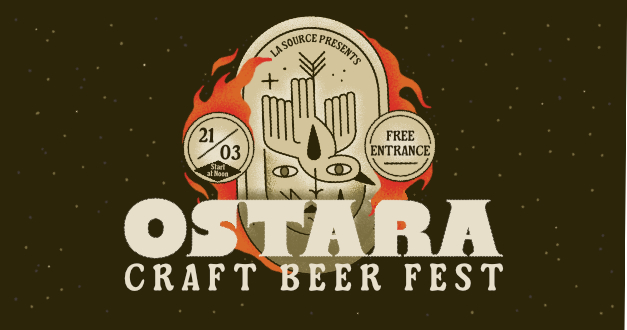
This is a new festival for 2026, hosted by La Source at its location in Brussels and featuring the Brussels clutch of brewers plus some friends (Misery, Dok and others): 1B2T, Brasserie des Beaux Jours, Borinage, CoHop (Jannine, La Bagarre, La Flaque, Witloof), Drink Drink, Dok Brewing Co, Illegaal, Et l’Amère Fût, La Jungle, La Senne, La Source, L’Ermitage, Mazette, Misery Beer, Surrealiste, Tilquin, Tipsy Tribe, Totem, Uncharted, Zythologist.
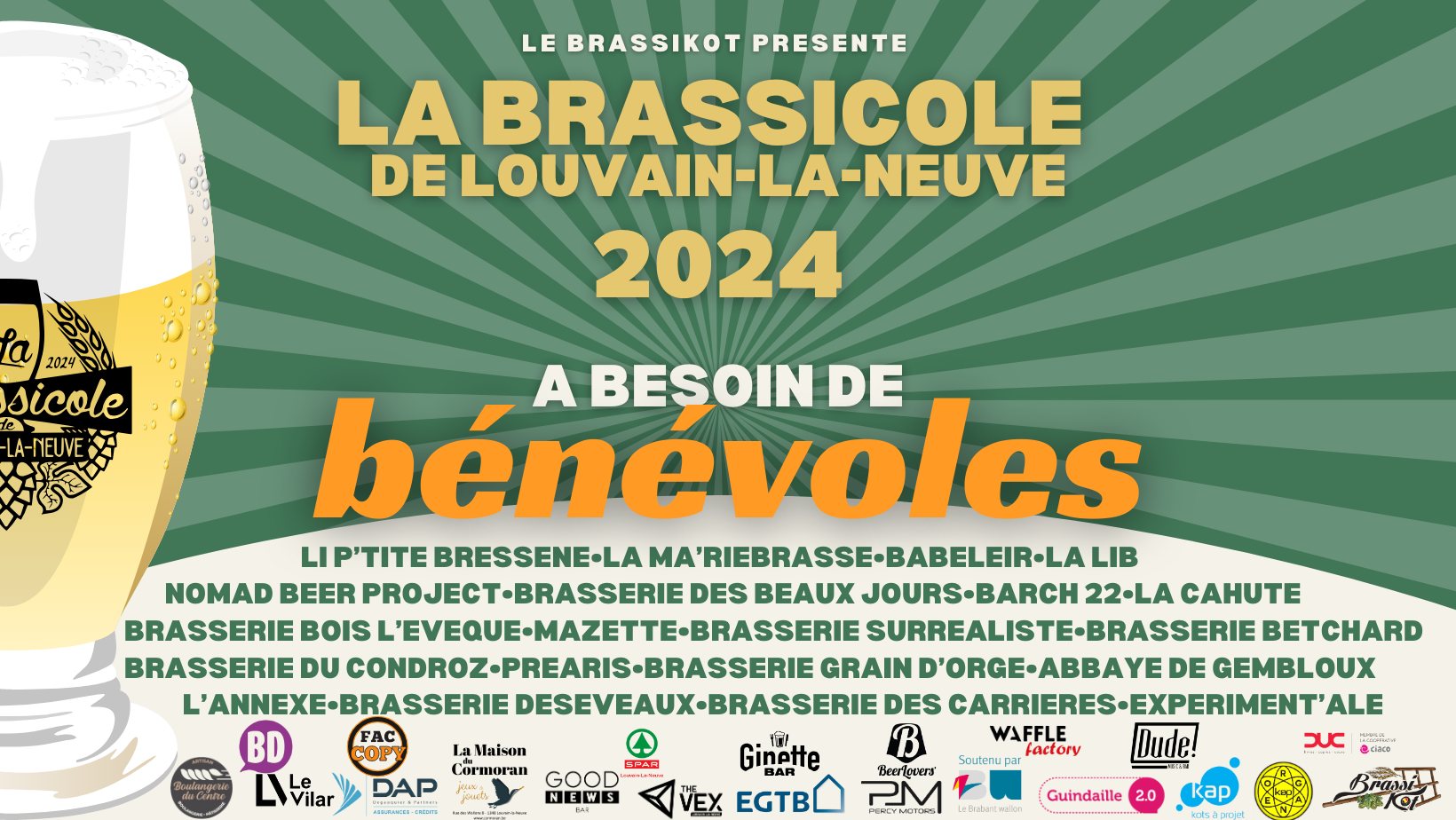
This 8th edition takes place at the Grand-Place of Louvain-la-Neuve from 1:00 pm to 11:00 pm each day and features 20 brewers and 70 beers.
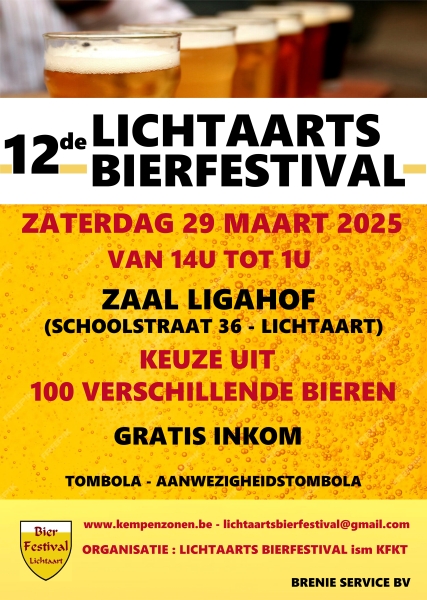
About 100 beers are on the menu at this local fest in Lichtaart. Everyone is welcome on Saturday, March 29, 2025 at the Ligahof in Lichtaart from 2 p.m.
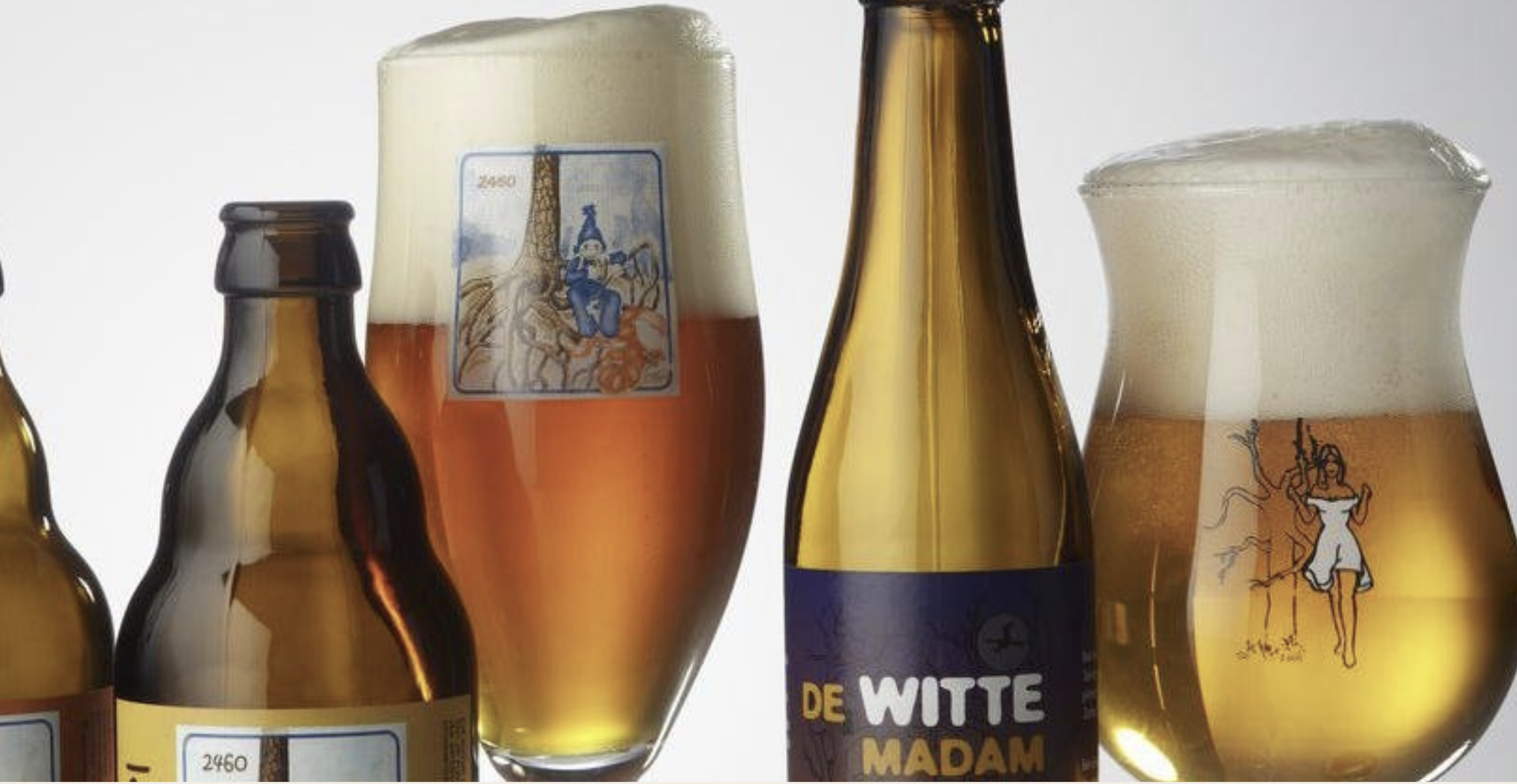
Set in Kasterlee, this festival is organised by Kastelse Biervereniging, a group of homebrewers who have produced four beers so far.

This festival features cans and bottles of Belgian and international beers and encourages bottle sharing at the GC De MARc/kT in the center of Merksplas.
This celebration of IPA styles features about 50 beers and is held at La Nef in Namur, Belgium.
Cantillon is now holding Zwanze Day every two years in alternation with Quintessence. Zwanze was cancelled in 2023 and is being held in 2024, followed by Quintessence in 2025. Zwanze day marks the release of a special geuze at the same time at selected bars in Belgium and around the world. In the video Jean Van Roy, Cantillon’s owner and brewer, speaks about the reason he started Zwanze day.
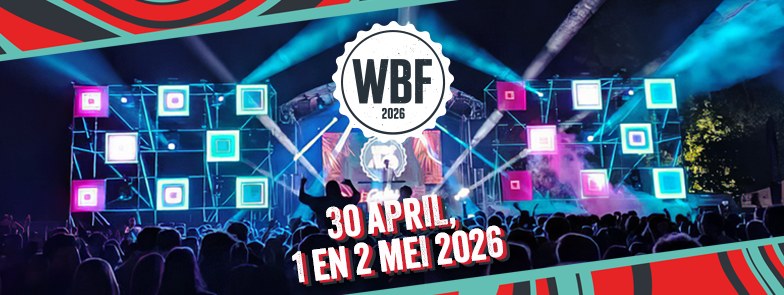

The Koerselse Biermarkt is held in Beringen, Belgium and offers 100 beers to taste and entertainment, including live bands and an annual football tournament.

Held in Aarschot this festival involves taking a pub walk around the town. You choose your own route and go on a beer discovery. You can taste more than 45 different beers spread over the participating bars. You can return your full card to any participating catering establishment to participate in a draw for a prize.
Held in Aalst. It is hosted by Kultuurcafé De Gaadvis.

This first festival is hosted by Poseidon Beers at Puurs-Sint-Amands. This beer festival is organised by Poseidon Beers, voted ‘Best beer trade of the year’.
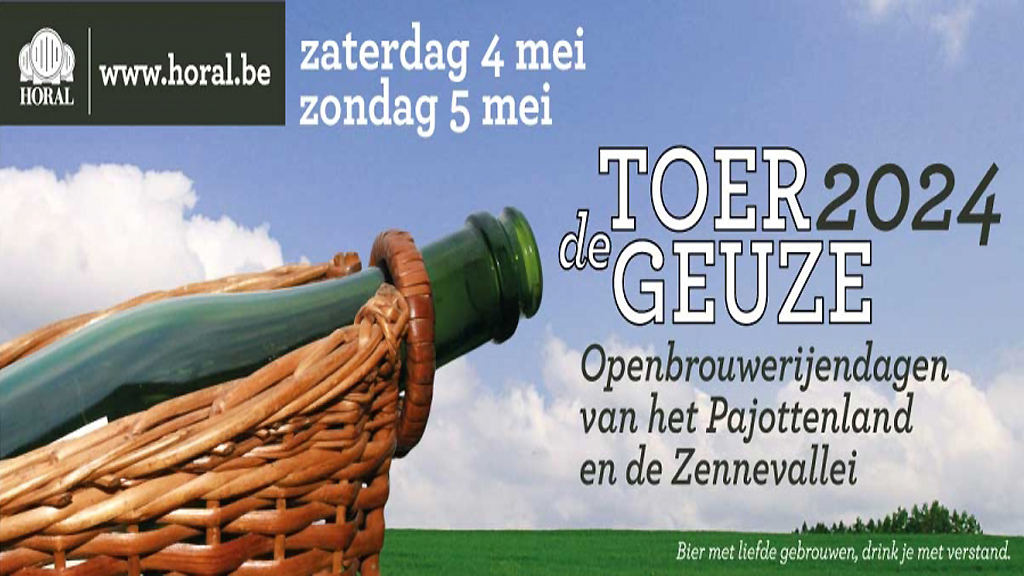
These are the days when the geuze and lambic brewers and blenders open their doors to the public. Expect bus loads of people from all over the world touring these breweries, some of which only open to the public for the event.
He may have left us in 2022, but the spirit of Armand Debelder lives on at Brouwerij 3 Fonteinen in the people and in the brews. Twisting the Fate is always and incredible event at the brewery and in the sunshine (most years). You get to taste limited edition lambics that have been aged on different types of wood. That is you can normally only drink them at the brewery at Lot (Beersel).
Also known as Internationaal Geuze & Kriek Festival, this fabulous festival celebrating geuze and kriek is held every two years at a fabulous bar in Dilbeek. It is one of the great showcases of geuzes and lambics.
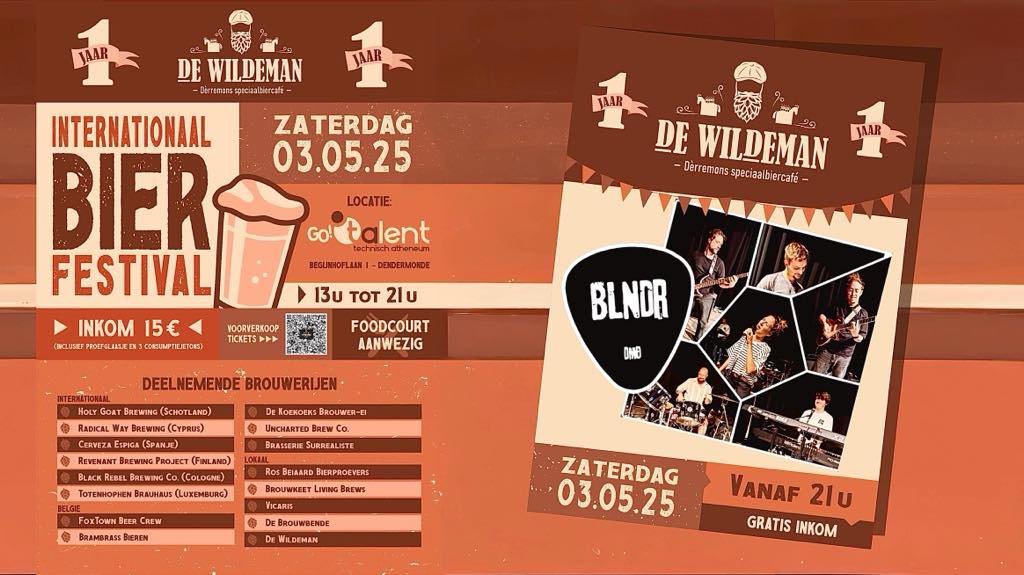
De Wildeman beer cafe in Dendermonde is holding its first international festival. The lineup includes some stellar brewers, with the Belgians mixed in with Holy Goat (Scotland), Radical Way (Cyprus), Cerveza Espiga (Spain), Revenant Brewing Project (Finland), Black Rebel (Germany) and Totenhophen (Luxembourg).

Held at the Musée de la Vie Wallonne in Liège, this festival features local brewers in the area and a few international ones. Keep track on Facebook.
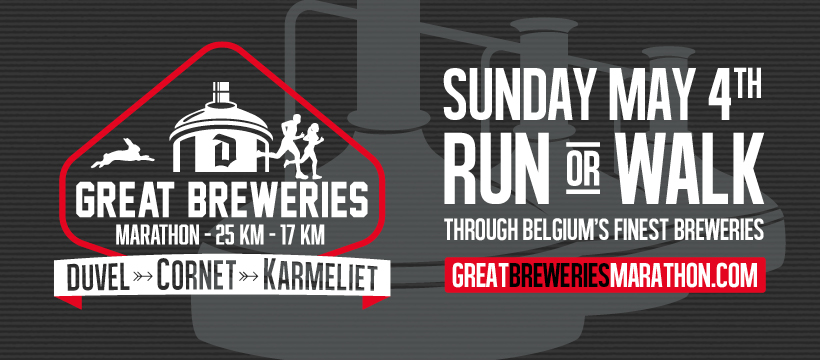
You can walk or run the marathon or 25 km course, which features a run past Duvel Moortgat, Bosteels Brewery and Palm & De Hoorn breweries. Yes beer is served during and after. And you collect a beer package to take home. A Duvel awaits you at the finish. It all starts at Duvel Moortgat Brewery.
 It’s not a festival, but a font of knowledge and a gathering of the best brains in brewing. The European Brewery Convention (EBC) Symposium 2025 will take place 18–20 May in Budapest, Hungary. The Symposium will focus on sustainable beer packaging, innovations in keg and tank‑beer installations, draught‑beer dispense technology, and quality improvement. Facebook.
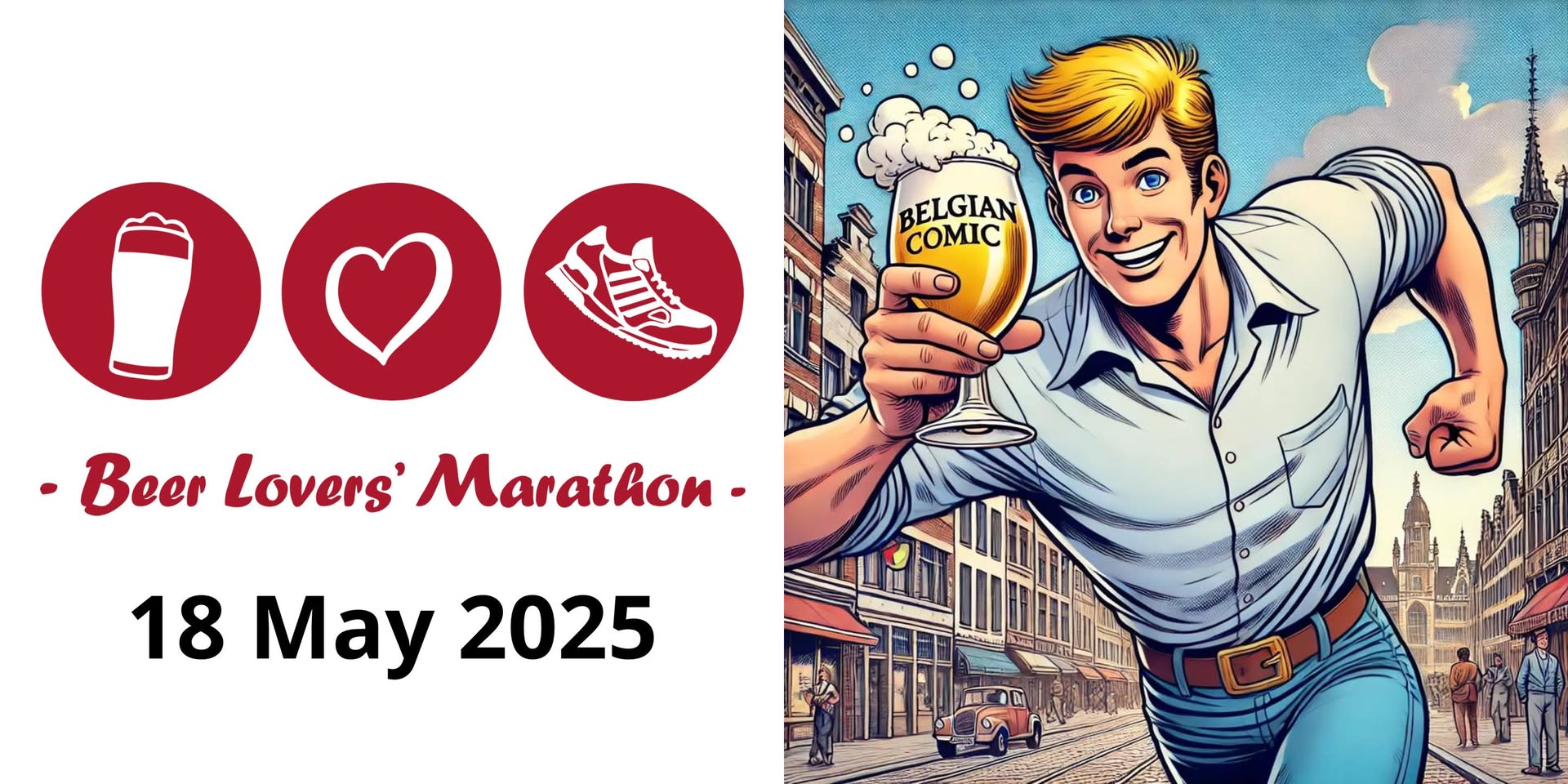
The Beer Lovers’ Marathon is a running race and a 42.195-kilometers party. The theme this year is Belgian comics. Get dressed up and run. There will be 16 Belgian beers served along the route and afterwards. Facebook.

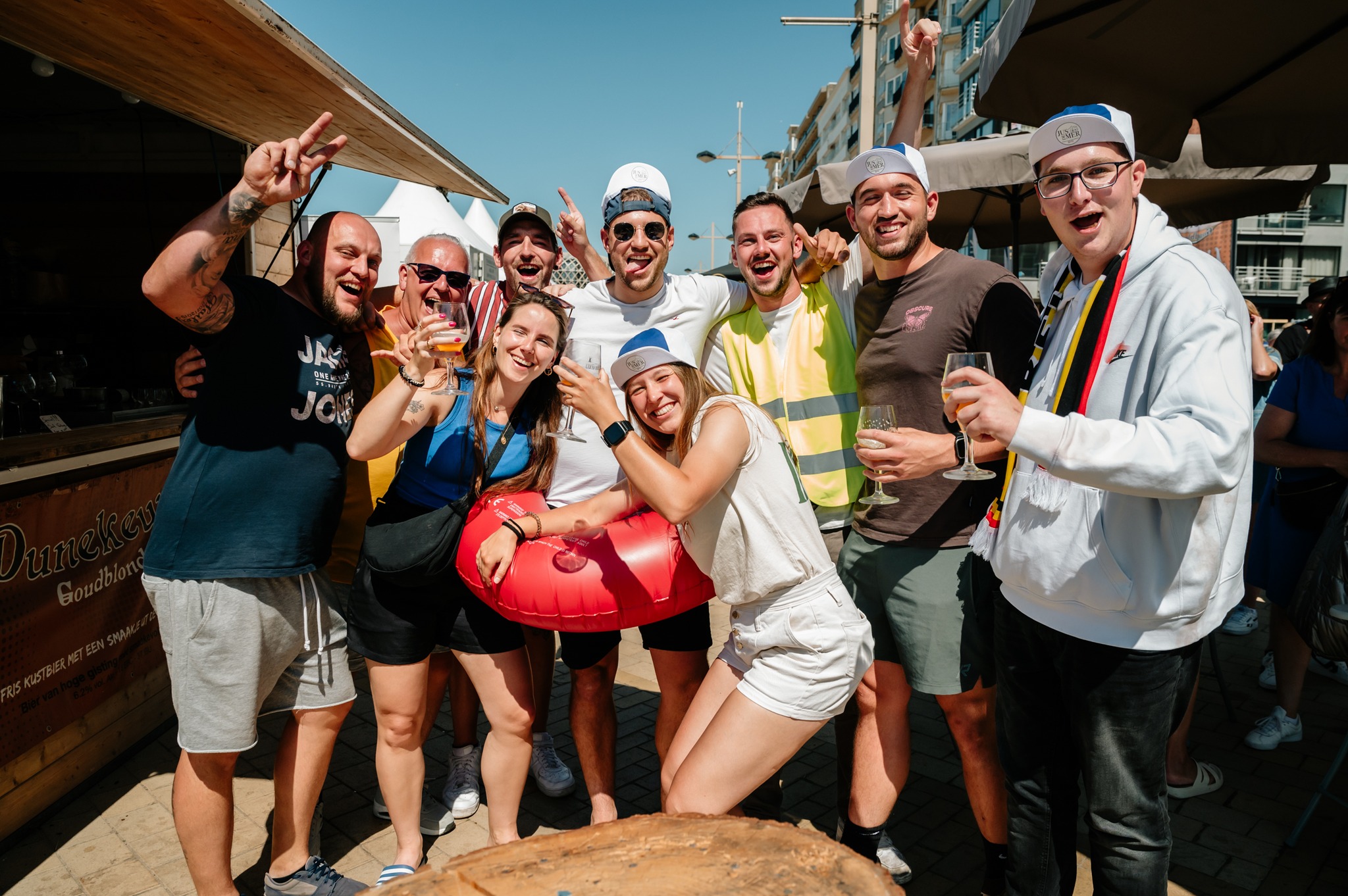
Beer by the Sea seems like fun in Middelkerke. Facebook.
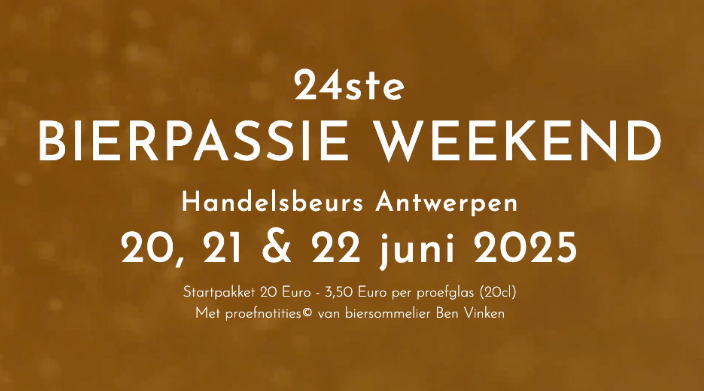 Set in the lovely courtyard of the Handelsbeurs in Antwerp this fest features traditional and craft brewers of Antwerp and area.
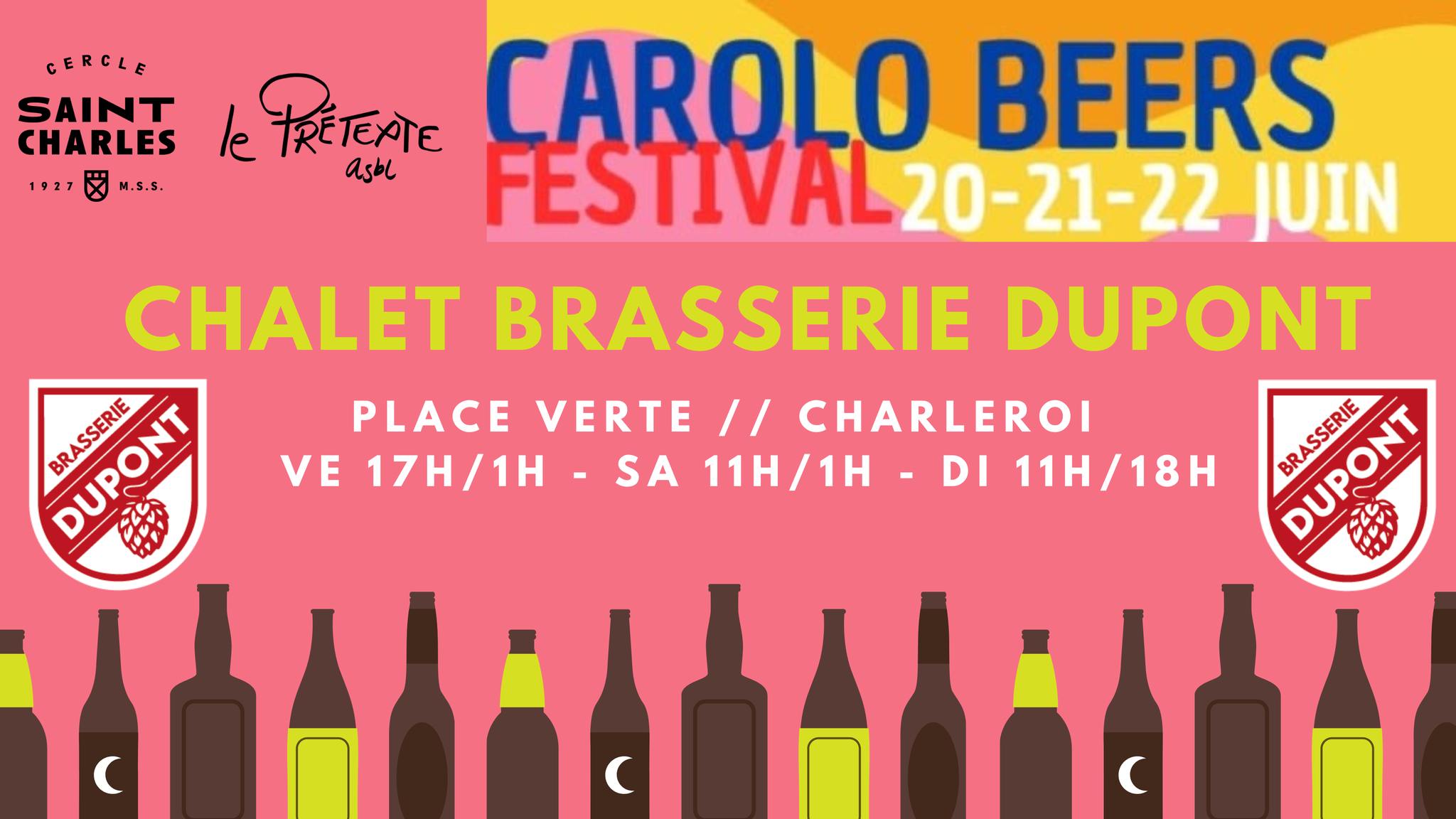
Held in conjunction with the La Brocante des Quais de Charleroi, featuring concerts, foodtrucks and other festivities, this festival in Charleroi is teamed up with Brasserie Dupont at Place Verte Charleroi. Not much more info seems available as of June.
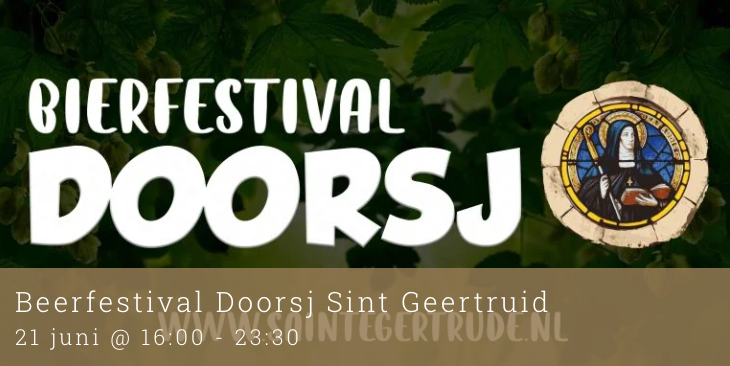 Run by the local beer club Biergilde Sainte Gertrude this fest celebrates local breweries around Sint-Geertruid, Zuid-Limburg.
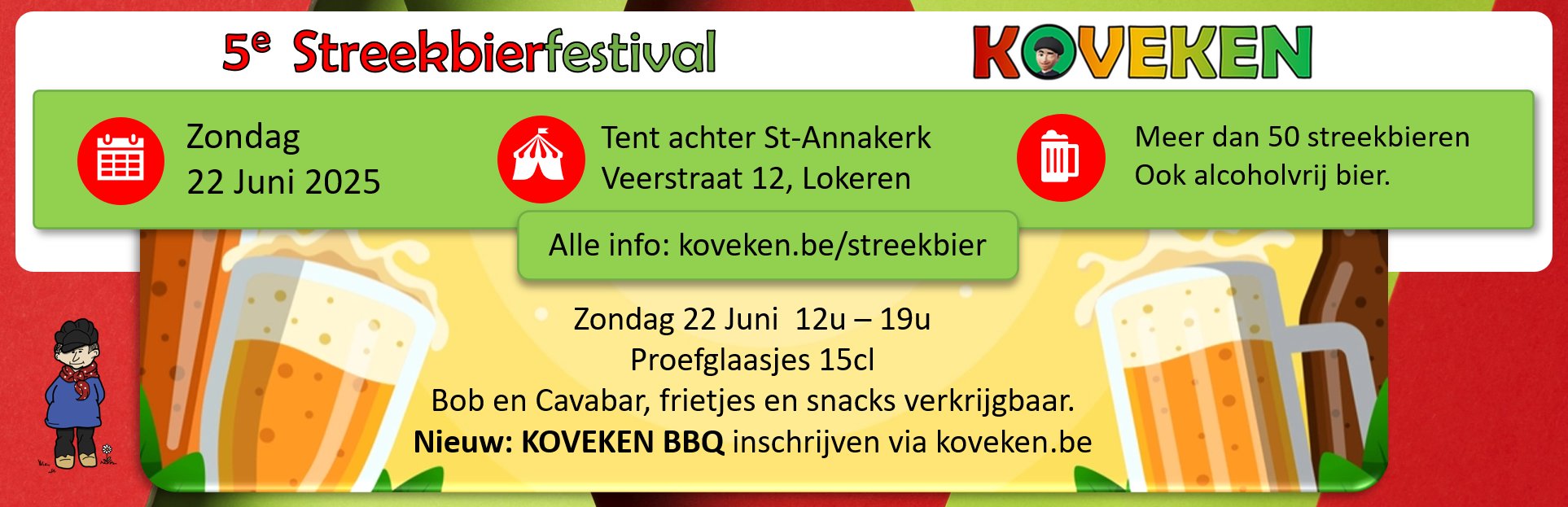
A street beer fest with food and a BBQ in Lokeren.
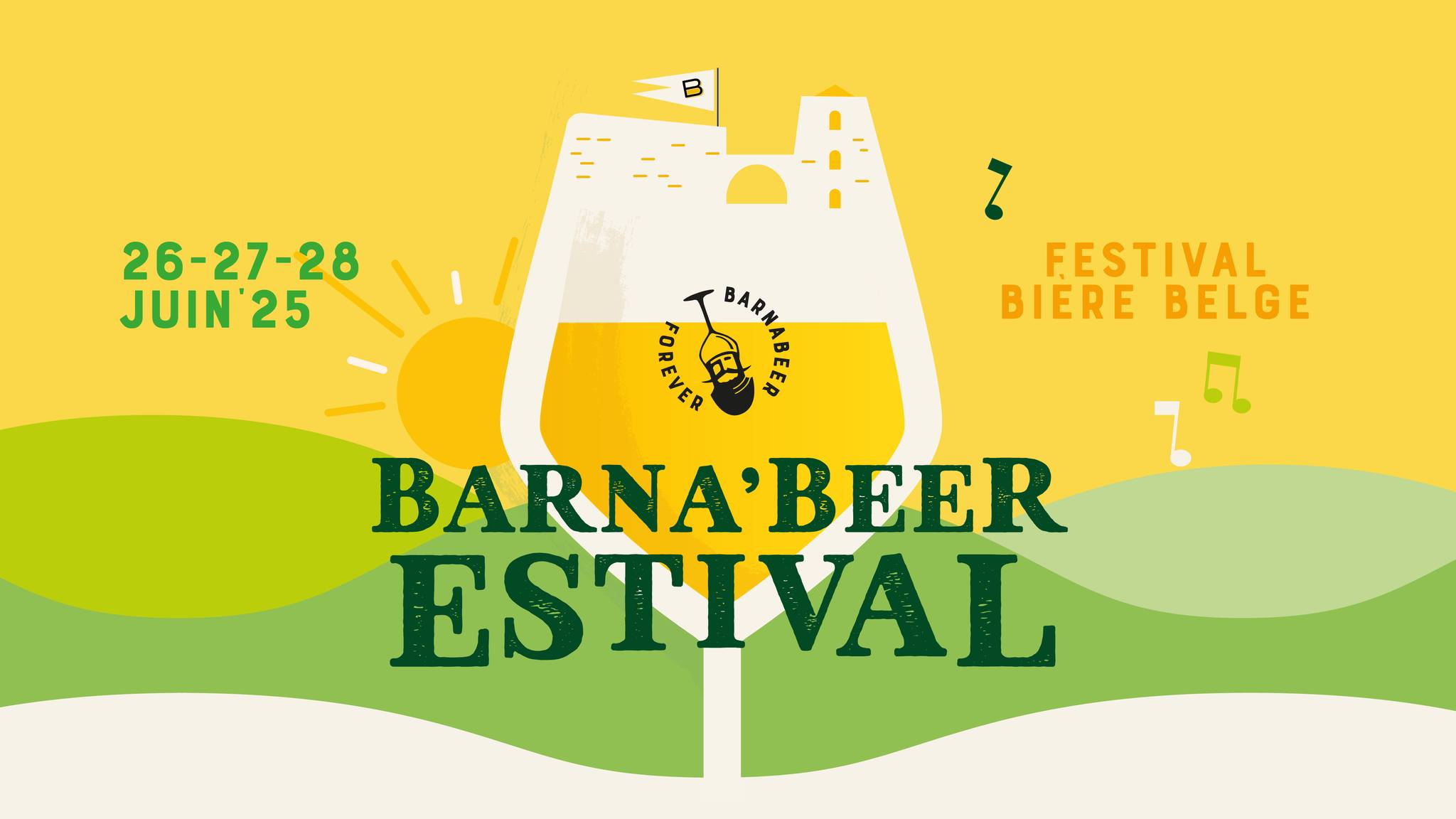
Namur beer bar Le Barnabeer is hosting this festival at the stunning setting of Esplanade de la Citadelle de Namur. About 25 breweries are featured. Keep up to date on Facebook.

This festival in Liège features craft brewers, cocktails, wine, street food and music. Check their Facebook page for regular updates.

This one day festival is held in Maldegems by the Waterbek social club.
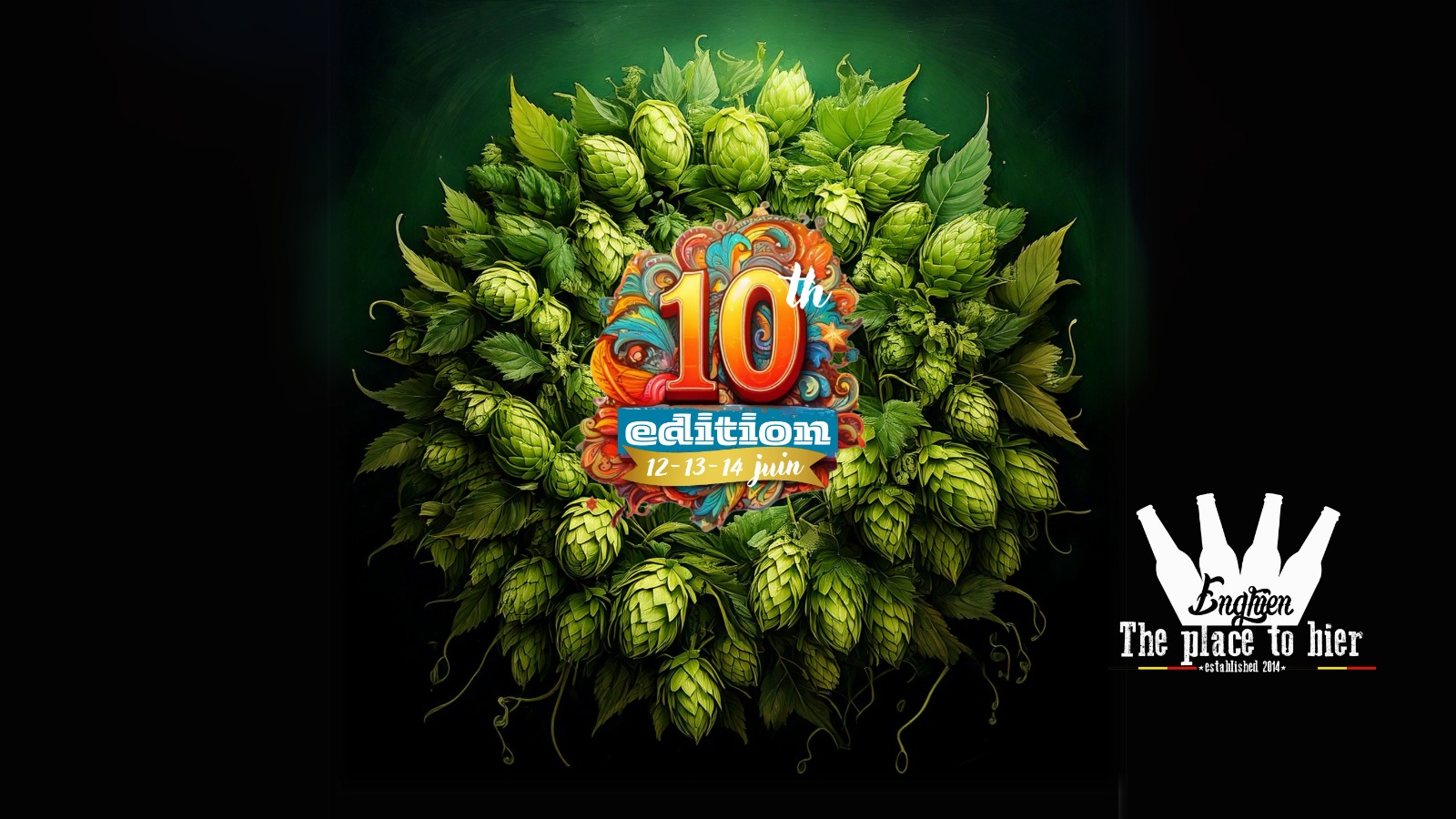
The 10th edition of this festival is hosted at la Grand Place d’Enghien. On the program: beer tastings, musical entertainment, concerts and discoveries.
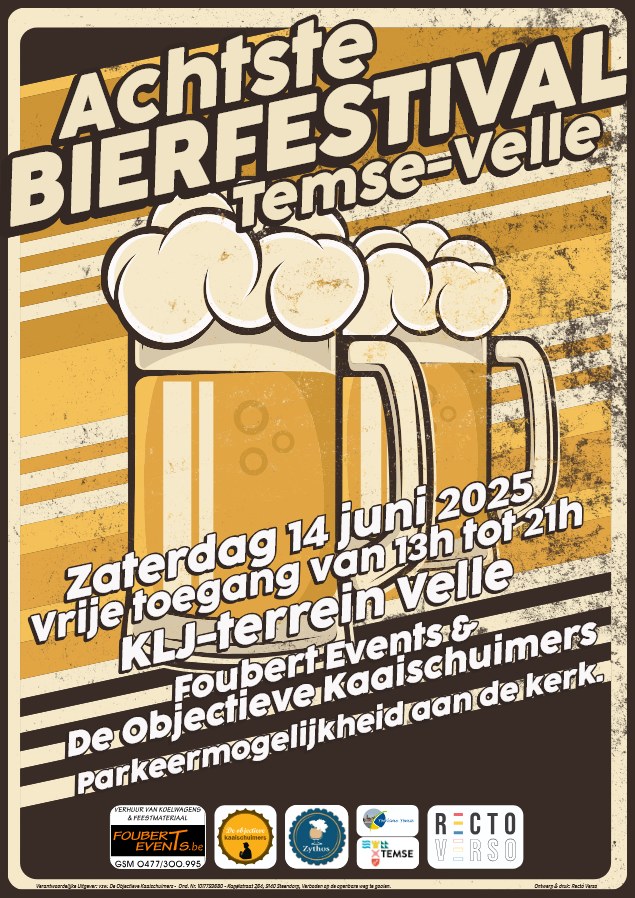
This is a short one from 13-21h on by the local beer club in Velle, 9140 Temse and features 19 brewers on it’s eight edition.
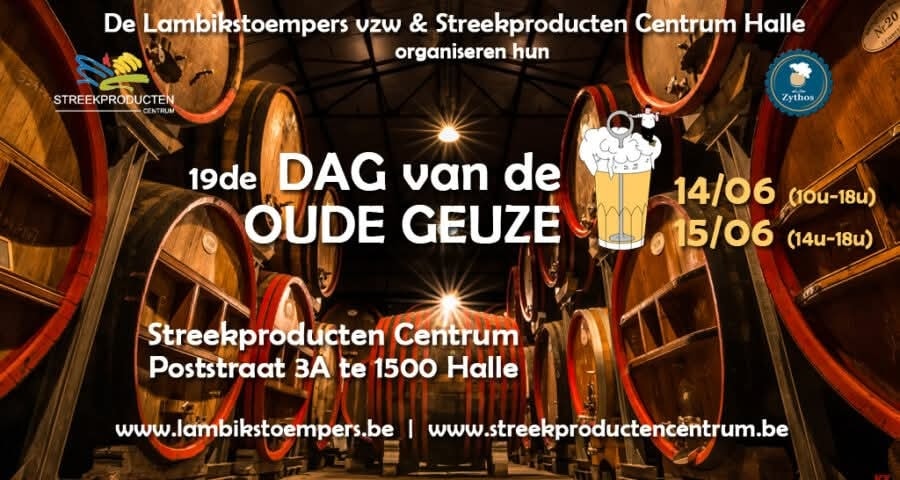 Held at Streekproducten Centrum (Regional Products Centre) in Halle by De Lambikstoempers beer club (to which I belong) it features bottles from every brewer and blender of geuze and lambic in Belgium, served up by club members. You will also find a lot of the brewers holding court over the two days. The Beer Idiots are usually among the last to leave it’s so good. A fantastic fest in a parking lot that’s not to be missed.
Namur Capitale de la Bière et du Terroir Festival features a mix of traditional family-run brewers, bigger brands that produce lots of suds, and craft brewers. Co-organised by Emilien Watelet and Sébastien Legrain, it’s Wallona’s largest beer festival, in a part of Belgium that does not feature a lot in the geek calendar.
 Blind taste testing and music feature in Souvret at Brasserie Renaux-Lefebvre.
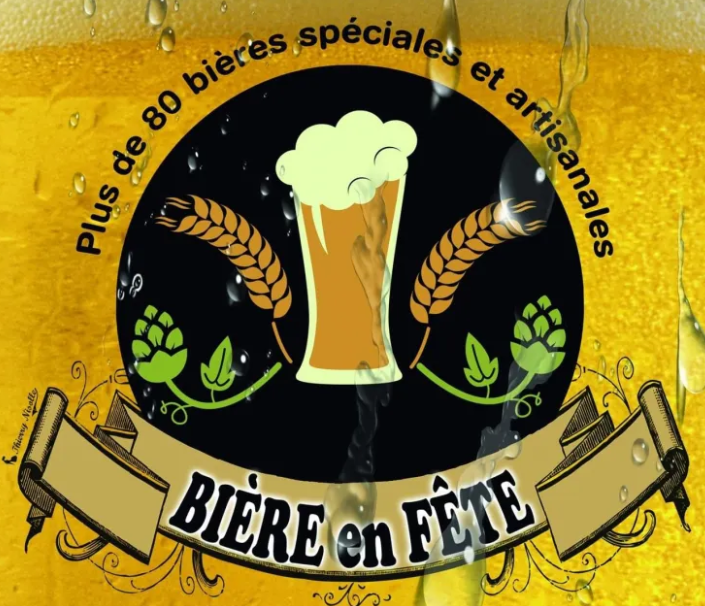
About 23 breweries are featured at this fest in Mons the Grand-Place de Mons.
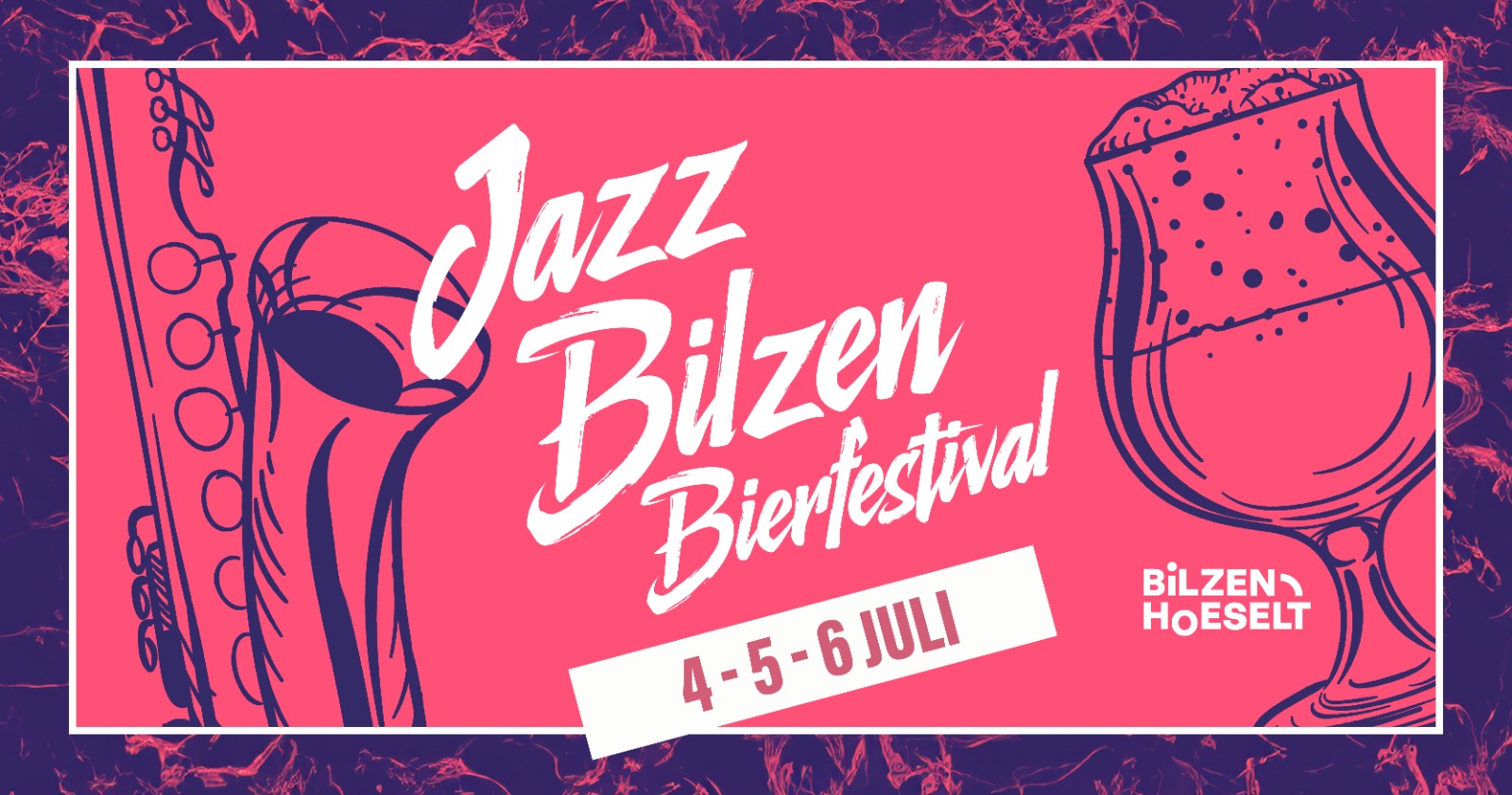
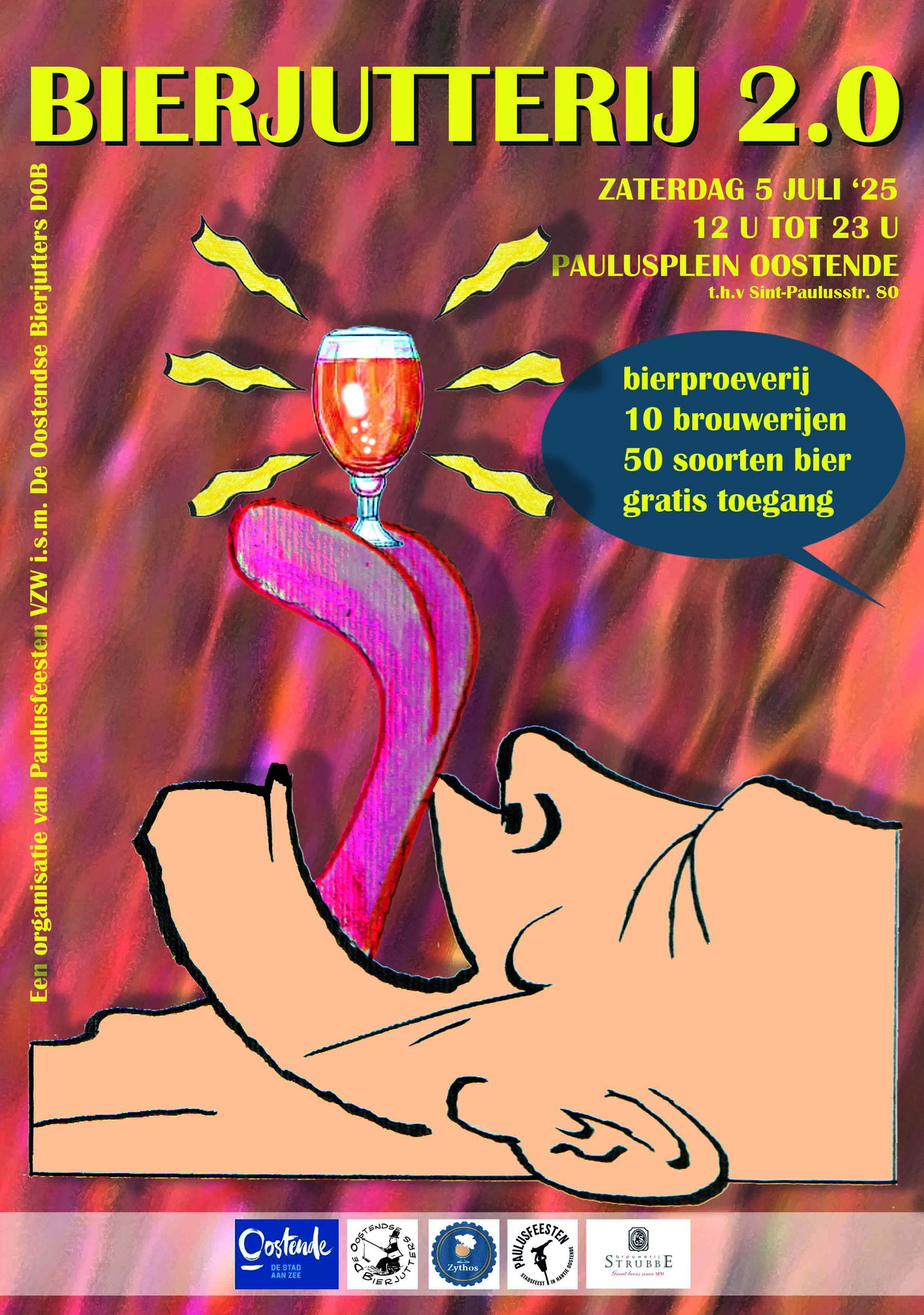 This festival in Oostende is organised by a local beer club.
Yep, this is across the border, but it has become a must-go craft fest in Eindhoven that features international brewers that we just have to list it here. Facebook.
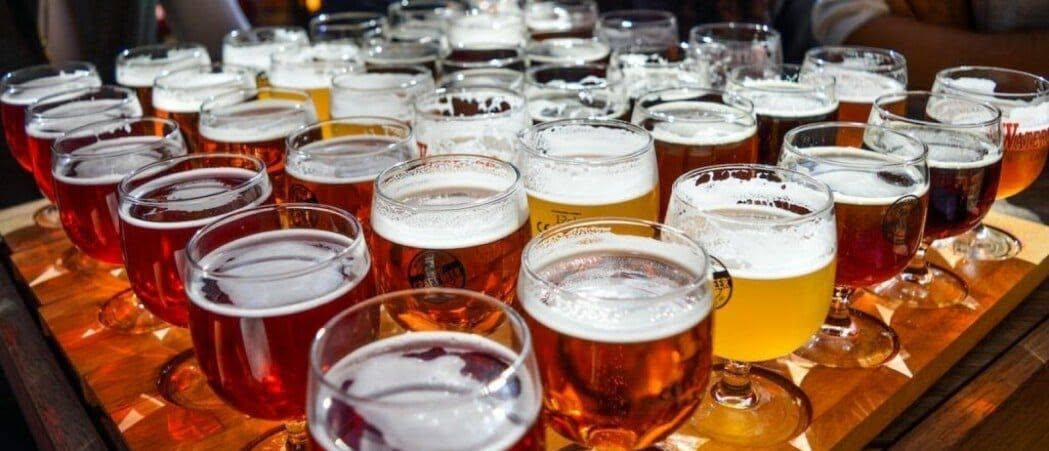
Held in Zedelgem, Belgium, this festival features about 100 beers and is hosted by the Zille Zuipers.
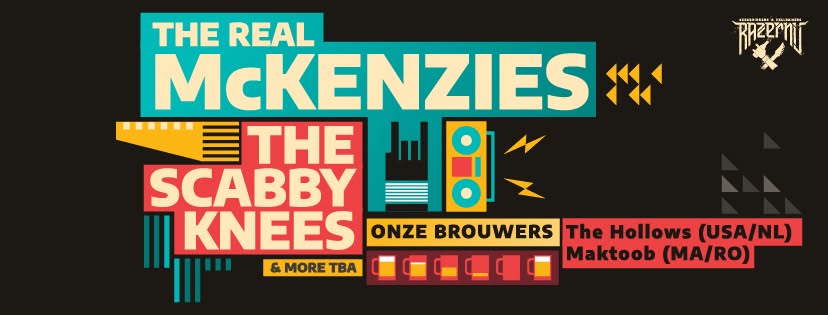
This combination punch of craft beer and punk/rock/metal festival takes place in Rumst. Bands and the brewers on tap are being announced in the run up to a wonderful party. Keep track on Facebook.
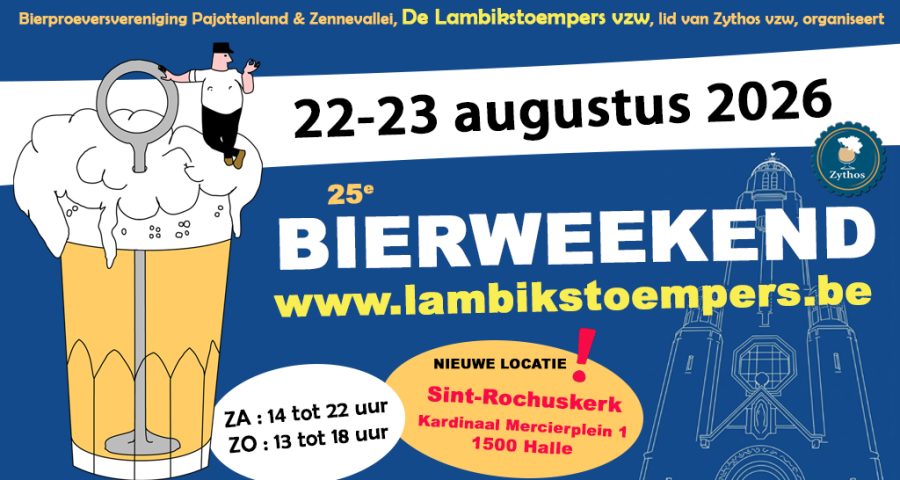 Another great fest on the Belgian beer calendar by De Lambikstoempers beer club. Lots of lambiks.
 Yep, the Beer Idiots have to put on a festival, and this celebrates Belgian beer culture, recognised by UNESCO as an intangible cultural heritage of humanity . It’s a co-creation event. 185 participating venues worldwide – 95 in Belgium. Go to Belgium Beer Week for the events and participants in your country. Bars, brewers and event holders can participate by signing up here. Check our Facebook page for updates.
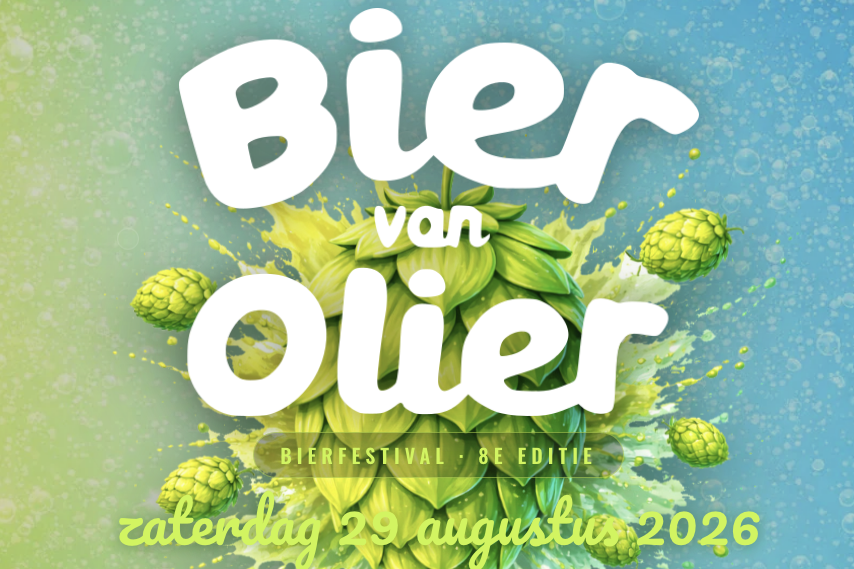
This one-day festival is held in Sijsele/Damme, Belgium. Info here: www.biervanolier.be

Run by beer club Beverse Schuimkraag Proevers, this festival takes places in Roeselare.
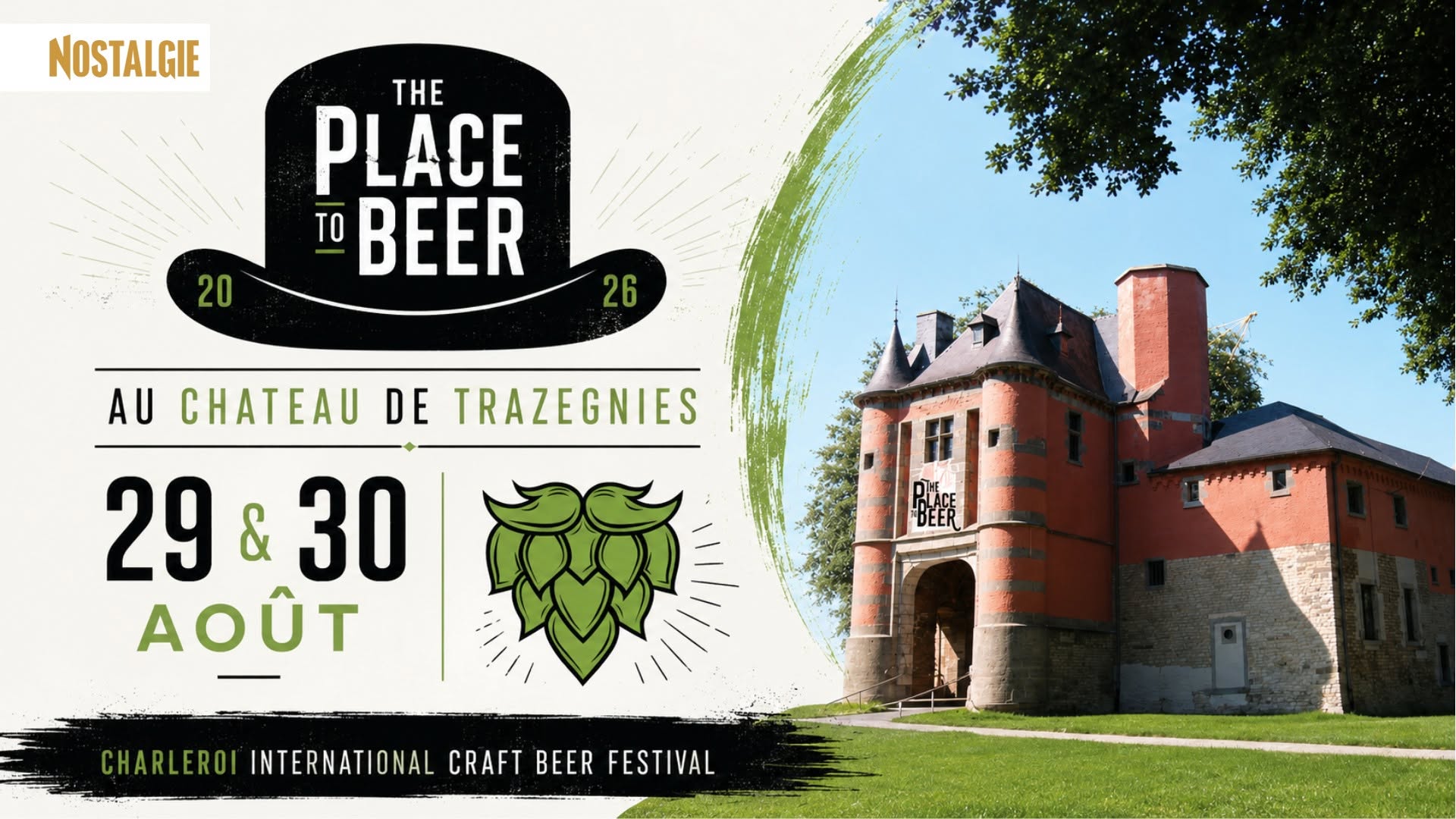
The 8th edition of this festival features craft brewers and their beers from Belgium and other parts of Europe at the Château de Trazegnies, Courcelles by The Place to Beer in partnership with the Brasserie Zythologist.
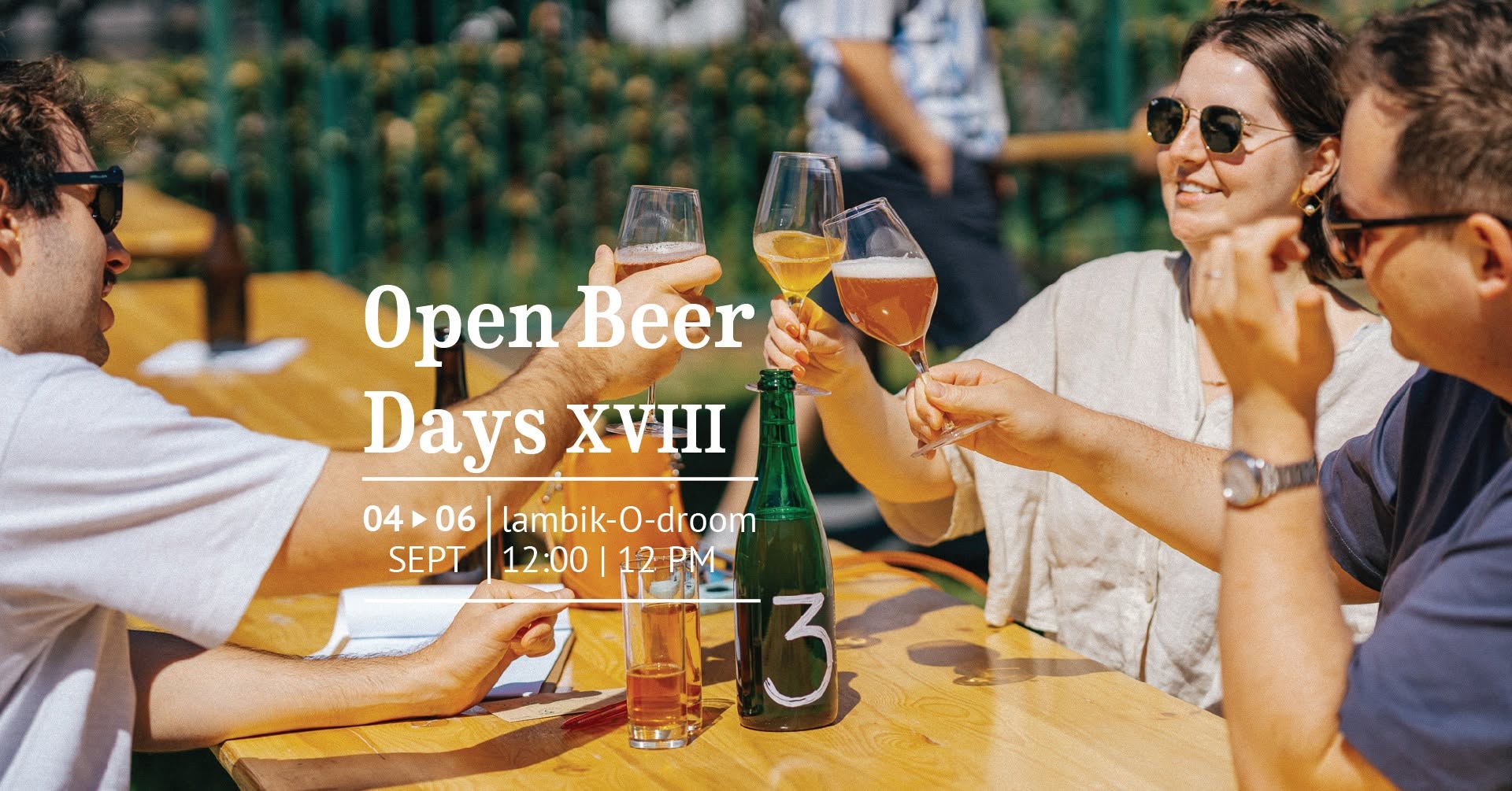
Open Beer Days are for everyone: young and old, beer lovers and families says 3 Fonteinen. Where: lambik-O-droom, Molenstraat 47, 1651 Lot. When : Friday 6, Saturday 7 and Sunday 8 September: 12PM – 8PM.

Held at the Grand Place in Brussels by the Belgian Brewers association, this event features parades, bands and pomp among the 50 or so breweries serving beers to about 61,000 visitors over the weekend.

Launched as an extension of Belgian Beer Weekend, this week celebrates the 10th anniversary of the UNESCO recognition of Belgian beer culture. 10 years of UNESCO Intangible Cultural Heritage. In Brussels there will be a Belgian Beer Culture Bar
40+ breweries featured over 10 days, outside Belgian Beer World. Some 5,000 cafés and 1,000 retail locations will be celebrating Belgian beer.

One of the great new lambic blenders around and we love visiting his converted family farmhouse. Lookout for the Belgian giant and good burgers, with all things sourced locally. You can find out more with the our interview with Senne Eylenbosch here.
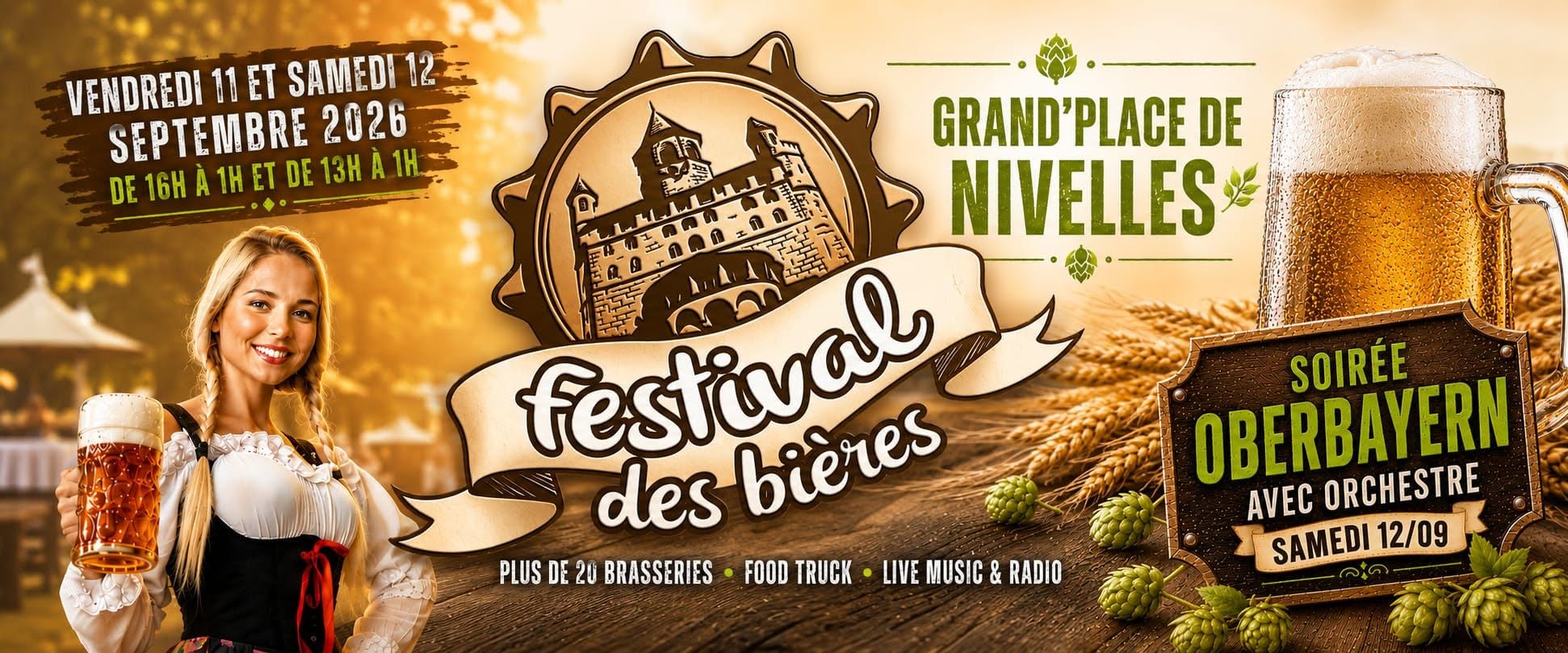
We don’t know much about this festival but it is held in the main square of Nivelles where you can drink ‘quelques’ beers according to the organisers.
This Brussels festival, held by the Brussels Beer Project, will be held again at Place Sainte-Catherine.
This festival takes place in the Bruges Meeting & Convention Centre in the city centre with +/- 50 breweries and beer companies featuring 350 beers.
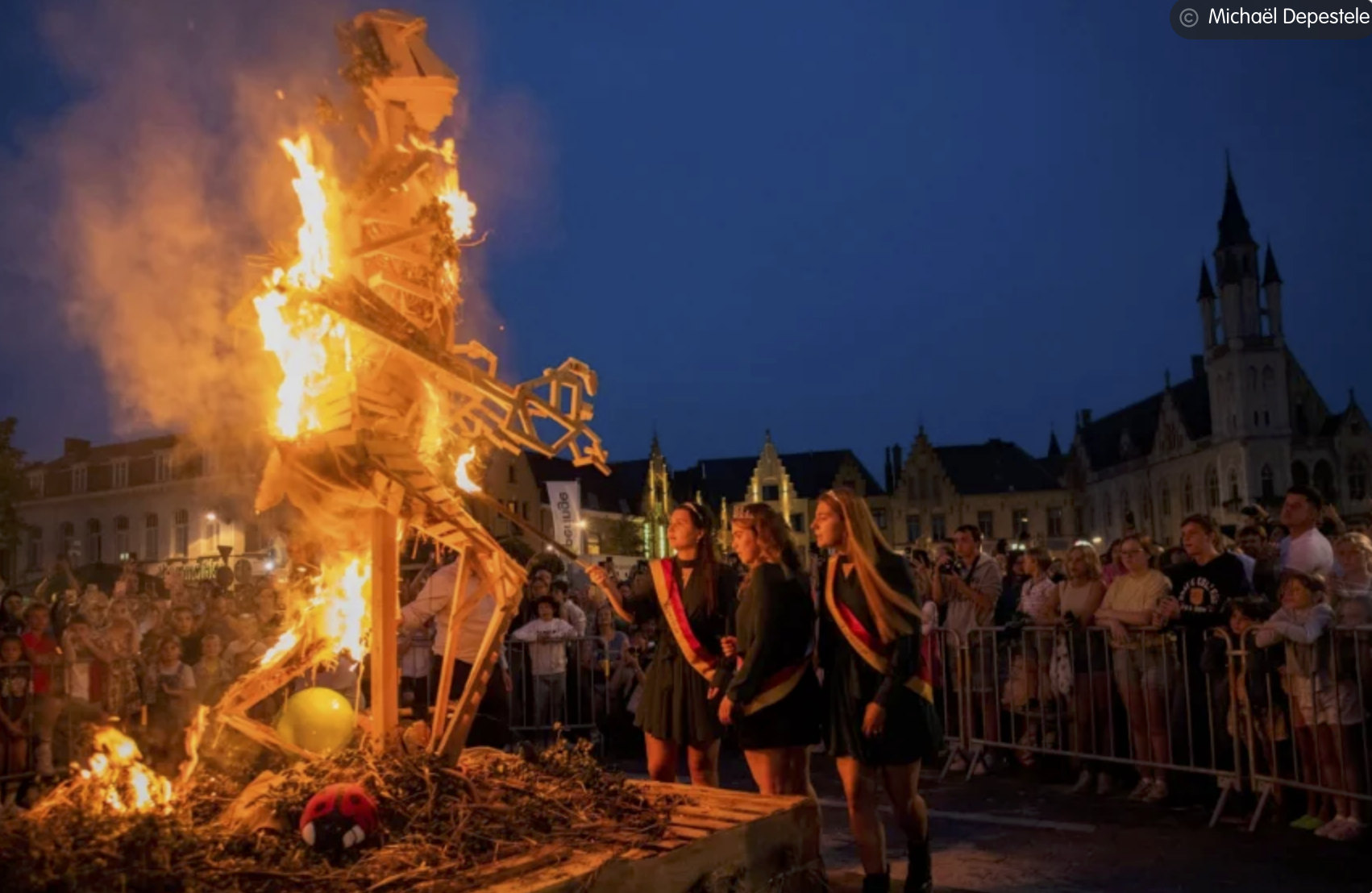
This is held every three years in Poperinge and features a parade of people dressed as hops and other beery things in Poperinge, a central town for many of Belgium’s remaining hop farmers. See who gets to be the Hop Queen. Sunday is the grand parade.

This free beer festival takes place in Hamont-Achel. Facebook.
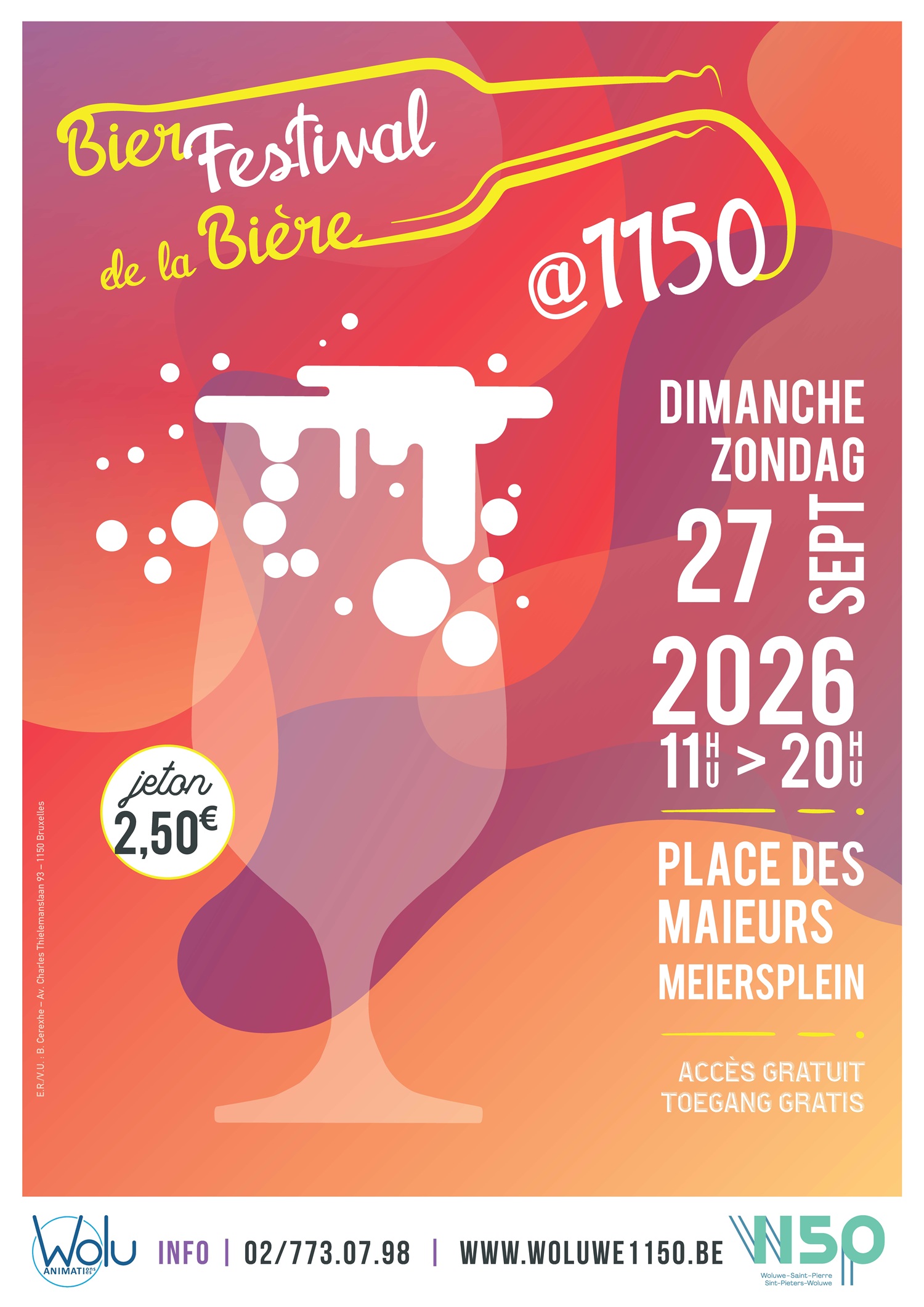
A cute local festival that we’ve been going to off and on over the past 17 years and where we’ve met quite a few up an coming brewers. A lot of communal feeling in an open air square. Unpretentious fun in Sint-Pieters-Woluwe on a Sunday. They won’t admit it, but it’s in Brussels. Capital.
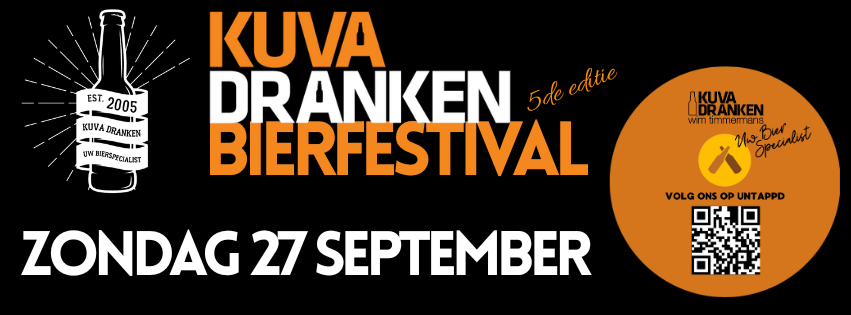

This edition of Day of the Lambic is being held at Lambiek Fabriek brewery, a lovely spot to have a beer. Hosted by the Gueuze Society every two years, and with the backing of In de Verzekering tegen de Grote Dorst bar/cafe in Lennik, Eizeringen. Their Nach van de Grote Dorst (aka International Geuze and Kriek Festival will be next held on 1 May 2027.

Held with in Antwerp around the first weekend in October by Antwerps Bier College at iconic city brewer De Koninck, this festival features beers from about 25 small Belgian breweries.
10 brewers, and 50 beers by Boerenkrijger Bier.
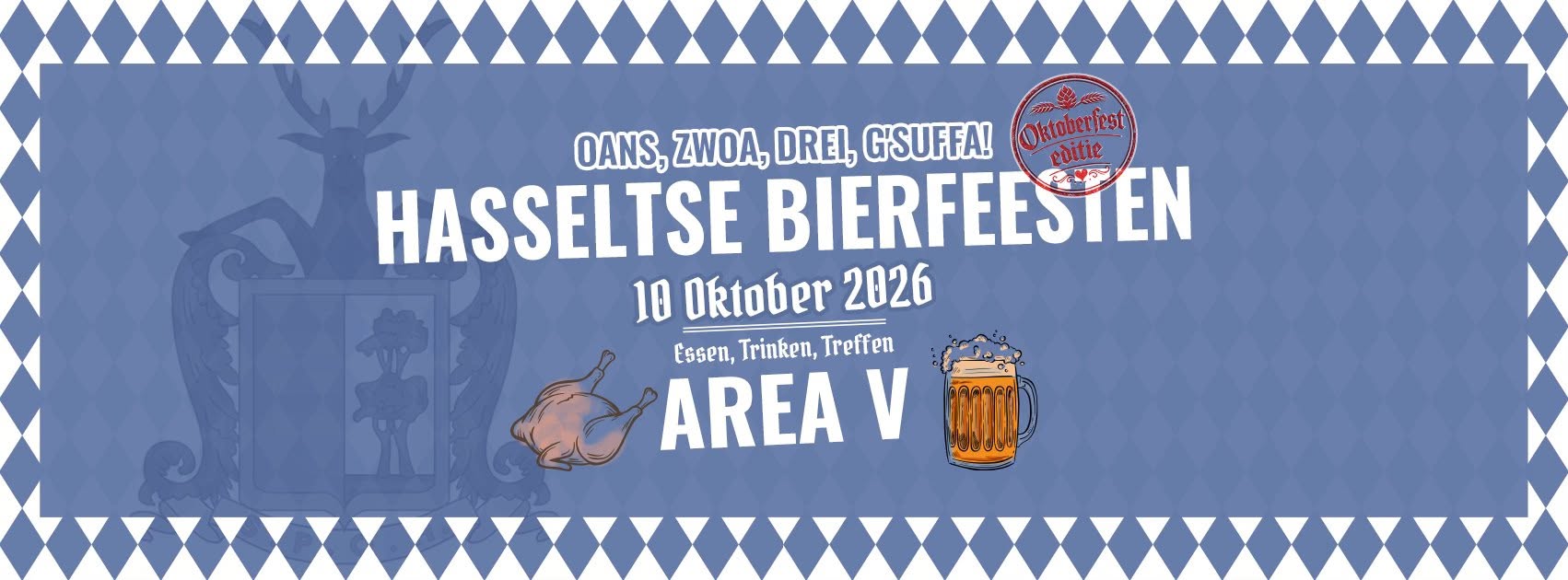

This festival is held in Vijvers, Zottegem by the local beer club.
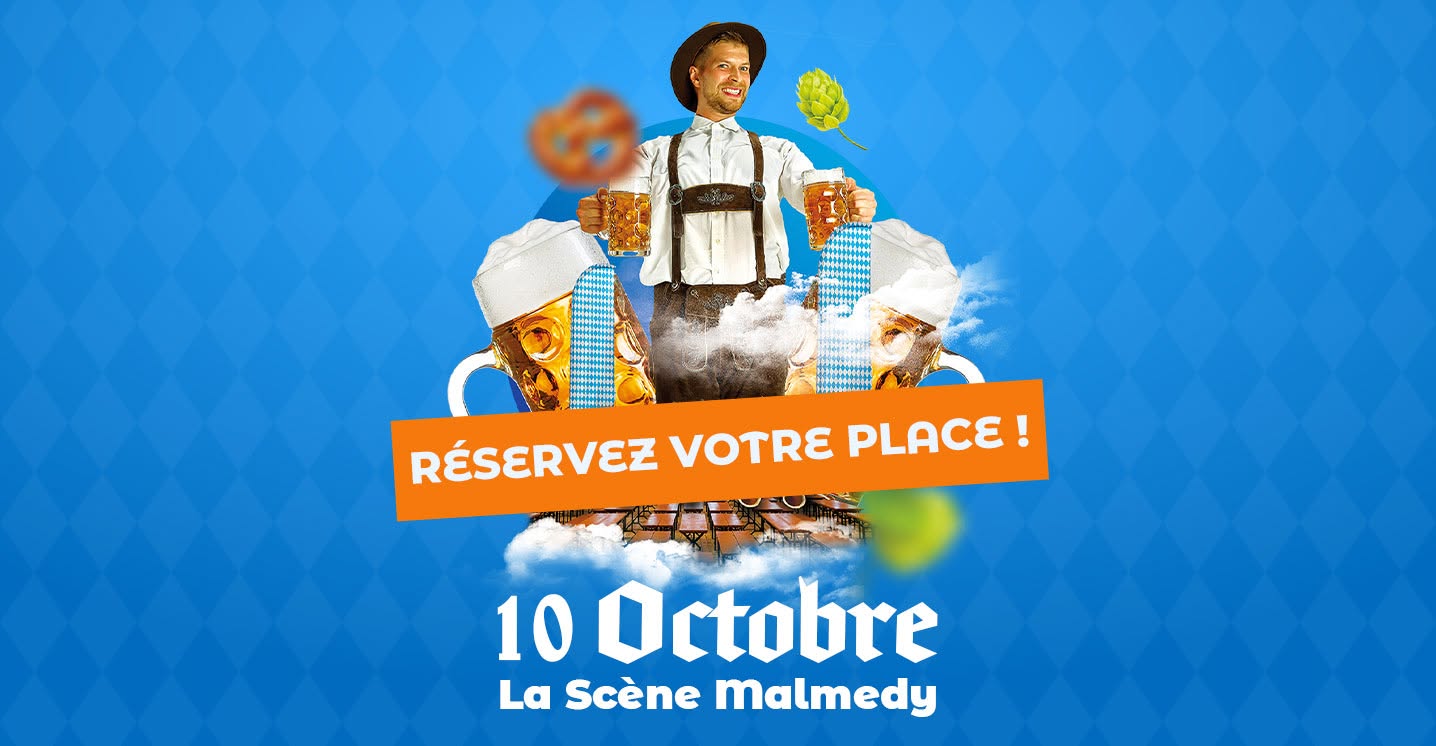
 This beer festival features about 10 breweries in Eppegem. Facebook.
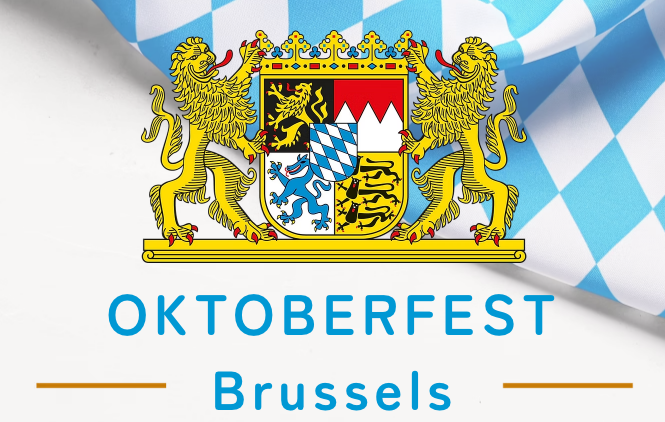
Celebrate the Bavarian tradition in Brussels. Oktoberfest Brussels has all the oom-pah-pah. Buy your tickets in advance.
Grégory Verhelst of Brasserie Artisanale de Rulles hosts the lovely festival Brassigaume in Marbehan. It’s well worth the trip.

Proost!

Held in Wichelen, this year’s festival features breweries at the Rubbens distillery and brewery. Facebook.
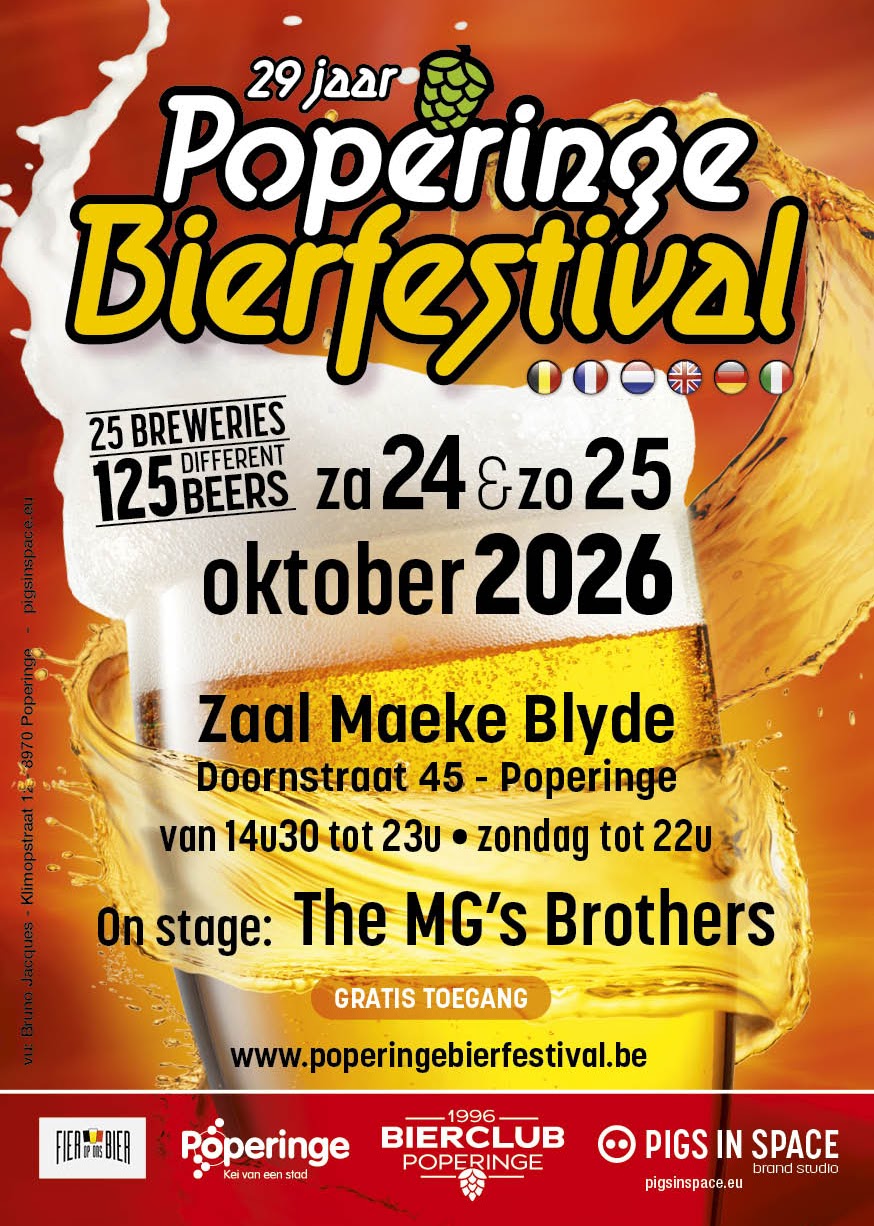 This festival is held in Poperinge, the centre for many of the remaining hop farmers in Belgium.
 About 100 beers are offered here, some on tap.


Leuven
DE COUREUR
MAN & BROUW
ADEPT
HOF TEN DORMAAL
Belgium
LA SOURCE – BRUSSEL
UNCHARTED – ANTWERPEN
ALVINNE – MOEN
NORM BREWING – LUIK
International
ARPUS BREWING – LATVIA
FACTORY BREWING – FINLAND
OUTER RANGE – USA/FRANCE
DOSKIWIS BREWING – SPAIN
NOZIB BREWS – CZECH
HOP HOOLIGANS – ROMANIA
THE KERNEL – UK
CRAZY BEAR BREWING – GUANGZHOU, CHINA
NORTH AMERICA CORNER
Beer from USA & Canada: Hops N More
MESSOREM – CANADA
CENTRAL WATERS – USA
FIRESTONE WALKER – USA
PERENNIAL – USA
THIRD MOON – CANADA
ANCHORAGE – USA


Below are interviews the Beer Idiots had previously made with some of the brewers and blenders along the lambic trail.
Senne Eylenbosch and the Boerenerf way of geuze
Sako: a new home in Pajottenland
De Cam’s Karel Goddeau: a respect for tradition
Oud Beersel step-by-step
Tilquin: blending the best
Boon Brewery: science and the art of lambic

The Beer Idiots are on a bus tour with 50 friends though the Toer de Geuze 2026. We’ll be visiting Hanssens, Boerenerf, Sako, De Cam and Lambiek Fabriek so if you spot us be sure to yell ‘Here come the Idiots’! To get you warmed up to a beautiful day here are some of our interviews with those on the route.
Senne Eylenbosch and the Boerenerf way of geuze
Sako: a new home in Pajottenland
De Cam’s Karel Goddeau: a respect for tradition
Oud Beersel step-by-step
Tilquin: blending the best
Boon Brewery: science and the art of lambic